

Chatham Rentals: The Ultimate Guide to Maximizing Your Short-Term Rental Investment
Chatham, Massachusetts—a picturesque seaside town on Cape Cod—has become a coveted destination for travelers seeking charming coastal escapes. For property owners and investors, Chatham rentals present a lucrative opportunity to earn impressive returns, especially through short-term platforms like Airbnb, VRBO, and emerging players. However, to make the most of this market, hosts must understand the local landscape, optimize their property management strategy, and stay compliant with evolving regulations.
What Are Chatham Rentals?
Chatham rentals encompass a range of properties—from cozy cottages by the harbor to luxury beach houses—offered to guests for short-term or long-term stays. The demand is driven by vacationers, families, and even remote workers who want an authentic Cape Cod experience. The town’s natural beauty, vibrant Main Street, and proximity to beaches result in occupancy rates that often surpass 75% during peak summer months, making it a strong market for rental investors.
Types of Chatham Rentals
- Short-term vacation rentals: Typical stays of 2–14 nights, often managed on platforms like Airbnb or JmartBookings.
- Seasonal leases: Extended summer rentals, usually from Memorial Day through Labor Day.
- Long-term rentals: One-month or multi-month stays, attracting remote workers and off-season tenants.
How the Chatham Rental Market Works
The mechanism for renting out a property in Chatham follows a series of well-established steps, but the competition and regulatory landscape add layers of complexity. Here’s a breakdown of the typical workflow:
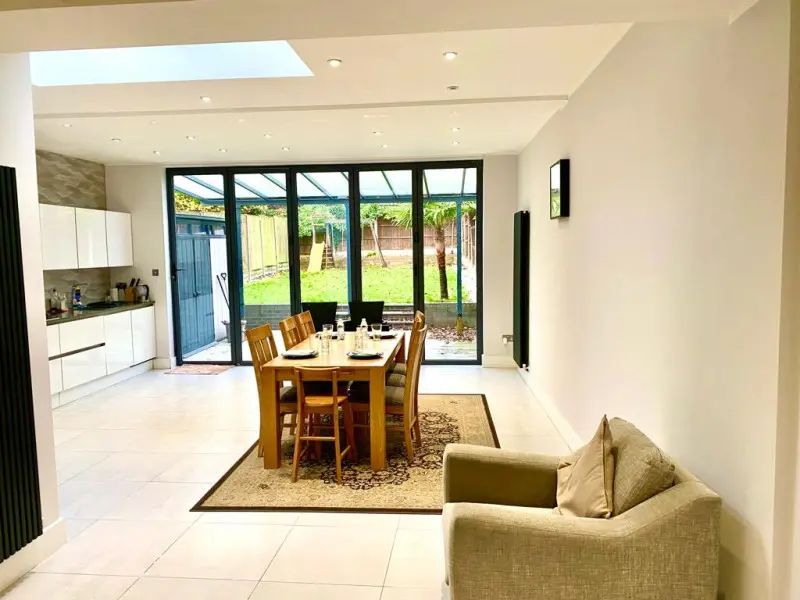
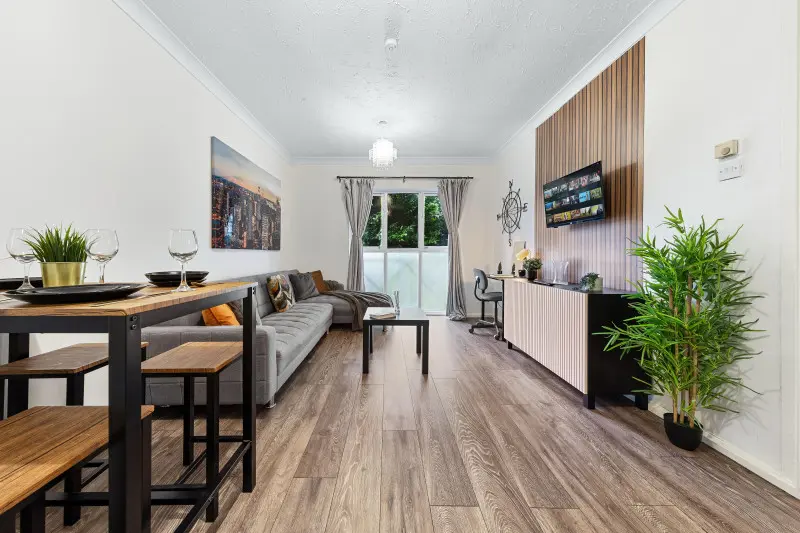
- Listing Creation: Owners create listings on major rental platforms (Airbnb, VRBO, JmartBookings) or their own direct booking site. Using high-quality images and compelling descriptions is vital for max visibility.
- Dynamic Pricing: Hosts set rates according to seasonality, local events (e.g., the Chatham Anglers baseball games), and demand patterns. Tools for dynamic pricing help maximize earnings per available night.
- Channel Management: Many use short-term rental software to synchronize calendars, prevent double bookings, and message guests efficiently.
- Guest Screening & Booking: Secure bookings via robust guest screening and automated messaging to reduce risk and enhance the guest experience.
- Operations: Coordinate cleaning, maintenance, and turnovers. Outsourcing cleaning can cost between $120–$300 per visit based on property size.
- Payout & Guest Feedback: Hosts receive guest reviews and platform payouts, typically minus a service commission (which varies by platform).
Benefits of Investing in Chatham Rentals
Chatham remains attractive for both new and seasoned investors due to several strategic advantages:
- Consistent Demand: The town boasts strong, year-round visitor flow—not just during summer. Off-season “workcation” stays are rising, pushing winter occupancy to 30–40% in many cases.
- Occupancy Rates & ROI: Well-managed rentals in Chatham can achieve seasonal occupancy rates of 75–95%. Annual gross rental yields often range from 7% to 14%, depending on location, amenities, and marketing strategy.
- Flexible Rental Approaches: Owners can alternate between personal use and guest bookings for both lifestyle flexibility and income optimization.
- Premium Pricing Opportunities: Waterfront properties and those within walking distance to Main Street or Lighthouse Beach command nightly rates of $450–$1,500+ during peak season.
- Modern Platforms: With the emergence of feature-rich platforms like JmartBookings, property owners can maximize income. JmartBookings especially appeals to local hosts because it charges zero listing fees for the first 6 months and lets guests book with only a 5% commission, ensuring you keep more of your earnings right from your first booking.
Challenges and Risks in Chatham Rental Hosting
While the upside is significant, hosts face unique challenges in Chatham. Navigating these risks is key to long-term success:
- Seasonality: Earnings are heavily concentrated in summer. Hosts must plan for lower shoulder-season and winter occupancy.
- Regulatory Changes: Local regulations can shift, limiting short-term rental activity or imposing new licensing, tax, or safety requirements.
- Operational Expenses: High cleaning fees (often $200+ per turnover), maintenance, utilities, and insurance can erode margins. Proactive expense management is critical.
- Guest Screening: High guest turnover increases the risk of property damage or noise complaints. Thorough guest screening and deposit policies are essential.
- Competition: Chatham’s appeal attracts many investors, requiring hosts to compete with both professional managers and individual owners. Differentiation through service, amenities, and platform choice is crucial.
Example: Comparing Platform Fees
Suppose you book a week-long stay in July at $600/night:
- Airbnb: Service fees for hosts range from 3% to 15%, plus guest fees (14%+). Potential total platform costs = $360–$1,218.
- JmartBookings: Zero listing fee for the first 6 months; guests pay only 5% commission ($210 on $4,200 booking)—saving both host and guest significant money. Explore their current promotions at JmartBookings.
Strategies to Maximize Returns from Chatham Rentals
Proactive, data-driven management can elevate both occupancy and profitability. Here are winning approaches for hosts:
1. Dynamic Pricing Optimization
- Use software tools like PriceLabs or Wheelhouse to adjust rates based on demand, local events, and booking lead times.
- Manually increase rates for prime dates—like Fourth of July week, the Chatham Wine Festival, and school vacations.
- Consider last-minute discounts to fill gaps, targeting a break-even occupancy of at least 70% for top months.
2. Listing and Channel Management
- Create eye-catching, professional listings with high-resolution photos and virtual tours.
- Distribute your property across multiple platforms—Airbnb, VRBO, Booking.com, and JmartBookings—using channel management software to coordinate calendars and avoid double bookings.
- Highlight unique features: private beach access, pet-friendliness, kayaks, fire pits, or chef’s kitchens.
3. Operational Excellence
- Develop strong relationships with reliable cleaners; consider investing in linen services for faster turnovers.
- Automate guest messaging for check-in/out, local recommendations, and reviews.
- Implement keyless entry to streamline access and reduce lockout issues.
- Offer welcome baskets stocked with Cape Cod snacks or complimentary beach passes to boost positive reviews.
4. Guest Screening and Damage Mitigation
- Require verified government IDs on all booking platforms.
- Set security deposits ($500–$1,000 standard for premium homes) and use smart noise monitoring devices.
- Communicate clear house rules to prevent common issues like unauthorized parties or late check-outs.
5. Invest in Amenities That Boost Revenue
- Properties with hot tubs, outdoor showers, or modern work-from-home setups can yield 10–20% higher nightly rates.
- High-speed Wi-Fi is a must for off-season and remote work guests.
- Seasonally update décor and provide flexible sleeping arrangements (convertible sofas, bunk rooms for families).
6. Off-Season Occupancy Tactics
- Promote monthly or extended stays (discount rates for 30+ nights).
- Market to snowbirds, traveling nurses, or professionals on assignment.
- Leverage social media and local business partnerships to broaden reach.
Legal and Regulatory Considerations for Chatham Rentals
Compliance is non-negotiable in Chatham. The town—and Barnstable County—enforces several policies impacting short-term rentals:
- Licensing: Hosts must register with the town and comply with safety inspections. Fines for operating unlicensed rentals can run $300+ per day.
- Taxation: Rentals under 31 days are subject to Massachusetts’ short-term rental tax (5.7% state plus 4–6% local, totaling up to 11.7%). Owners must remit regularly to avoid penalties.
- Zoning: Some neighborhoods restrict the number of short-term rental permits or enforce minimum-stay requirements (often 7 nights in residential zones).
- Insurance: Specialized STR insurance is recommended, as standard homeowners coverage often excludes short-term guests.
- Occupancy & Safety Standards: There may be limits on the number of guests per property and requirements for egress windows, smoke/CO detectors, and fire extinguishers.
Conclusion: Take Action to Succeed with Chatham Rentals
The Chatham rentals market remains robust for hosts who embrace modern strategies, invest in guest experience, and meticulously manage compliance. By leveraging dynamic pricing, multi-channel marketing, operational excellence, and regulatory awareness, you can unlock significant returns—often outperforming traditional buy-and-hold models.
If you’re ready to list your Chatham property or want to earn more while keeping more of your income, give JmartBookings a try—hosts love the zero listing fees, low guest commissions, and instant access to global travelers looking for Cape Cod stays. Don’t miss your chance to maximize your rental potential this season.




Join the Discussion
No comments yet. Be the first to share your thoughts!