

Florida Snowbird Rentals: How to Find the Right Long-Stay Deal for Winter 2025–2026
Every year, roughly 1.5 million seasonal migrants — mostly retirees and remote workers escaping harsh northern winters — head to Florida for multi-month stays that locals call "snowbird season." If you're planning to join them, or you own a Florida property looking to capitalize on this demand, this guide covers everything that matters: where to go, what to budget, how the rental market actually works, and what separates a good long-stay deal from a frustrating one.
What Is a Florida Snowbird Rental?
A snowbird rental is a furnished property leased for a seasonal stay — typically 4 to 6 months from November through April. Unlike short-term vacation rentals (which measure in days or weeks) or standard annual leases, snowbird rentals occupy a middle ground: long enough to feel like home, short enough that hosts can reclaim the property for summer.
The typical snowbird rental renter is between 55 and 75, fully or semi-retired, and comes from the Midwest, New England, or Canada — particularly Ontario and Quebec. Canadian snowbirds alone account for an estimated 3.5 million Florida visits annually. Remote workers in their 40s and 50s represent a fast-growing secondary segment.
Best Florida Regions for Snowbird Rentals
Southwest Florida: Naples, Marco Island, Fort Myers
The highest-demand snowbird corridor in Florida. The Gulf of Mexico's warm water temperatures, upscale dining, and concentration of golf communities draw an affluent, older demographic. Median winter rental rates here run 30–45% higher than comparable inland markets. Naples in particular has some of the most competitive snowbird inventory in the state — book 6 to 9 months in advance for January and February.
Sarasota–Bradenton
Popular with culturally active snowbirds drawn to arts venues, Siesta Key Beach (consistently rated one of America's best beaches), and a well-developed network of senior communities. Slightly more affordable than Naples, with strong inventory of condos and smaller homes in communities like Longboat Key and Lakewood Ranch.
Space Coast and Treasure Coast (Atlantic Side)
Brevard County and Martin/St. Lucie counties offer lower entry-point pricing with solid seasonal occupancy. Less prestige than the Gulf Coast but genuine beach access and a quieter atmosphere. Good option for budget-conscious snowbirds or those who prefer Atlantic surf over Gulf calm.
The Villages (Central Florida)
The world's largest retirement community has created its own snowbird micro-economy. Prospective buyers often rent for a season before purchasing, and the supply of available rental homes is substantial. Golf cart transportation, organized activities, and an enormous social infrastructure make it uniquely suited for longer stays.
Florida Snowbird Rental Pricing: What to Expect in 2025–2026
Monthly rental rates for furnished snowbird properties in Florida's top markets for winter 2025–2026:
- Naples/Marco Island: $4,000–$8,000/month for a 2-bedroom condo; $7,000–$15,000/month for a single-family home with pool.
- Sarasota/Siesta Key: $3,500–$7,000/month for a 2-bedroom condo or villa.
- Fort Myers/Cape Coral: $2,500–$5,500/month — more affordable and with excellent canal-front inventory.
- Space/Treasure Coast: $2,000–$4,500/month for comparable properties.
- The Villages: $2,500–$5,000/month with furnished 2-bedroom homes widely available.
Rates peak sharply in January and February. Properties that sit vacant in November can often be secured for 15–20% below peak-season pricing with a November start date and a commitment through April.
How Snowbird Season Pricing Works Month by Month
Understanding the seasonality curve helps you negotiate and plan better. October and November see moderate demand as early arrivals, primarily Canadians, establish their winter foothold. December is a mixed month combining snowbird arrivals with holiday short-term travelers. January and February are peak months where occupancy in Southwest Florida routinely exceeds 90% and hosts command maximum rates with minimal discounting. March remains strong, particularly in baseball spring training markets. April winds down rapidly as snowbirds begin heading north.
If you're flexible on arrival date, a mid-November or December start rather than January 1st can unlock meaningfully lower rates and better property options — many excellent properties go unclaimed for October and November, then get snapped up for January in a matter of hours.
What Snowbird Rentals Should Include
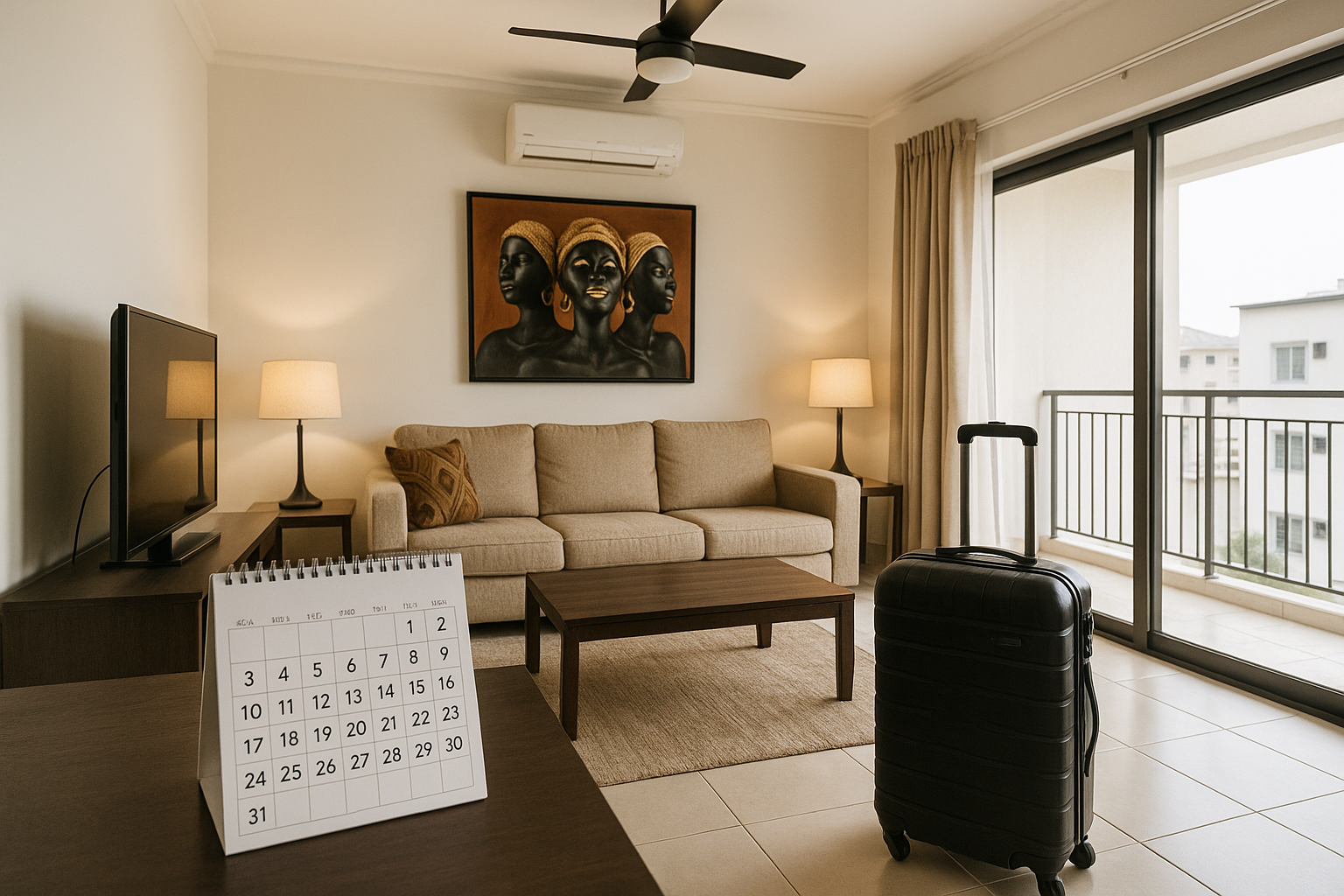
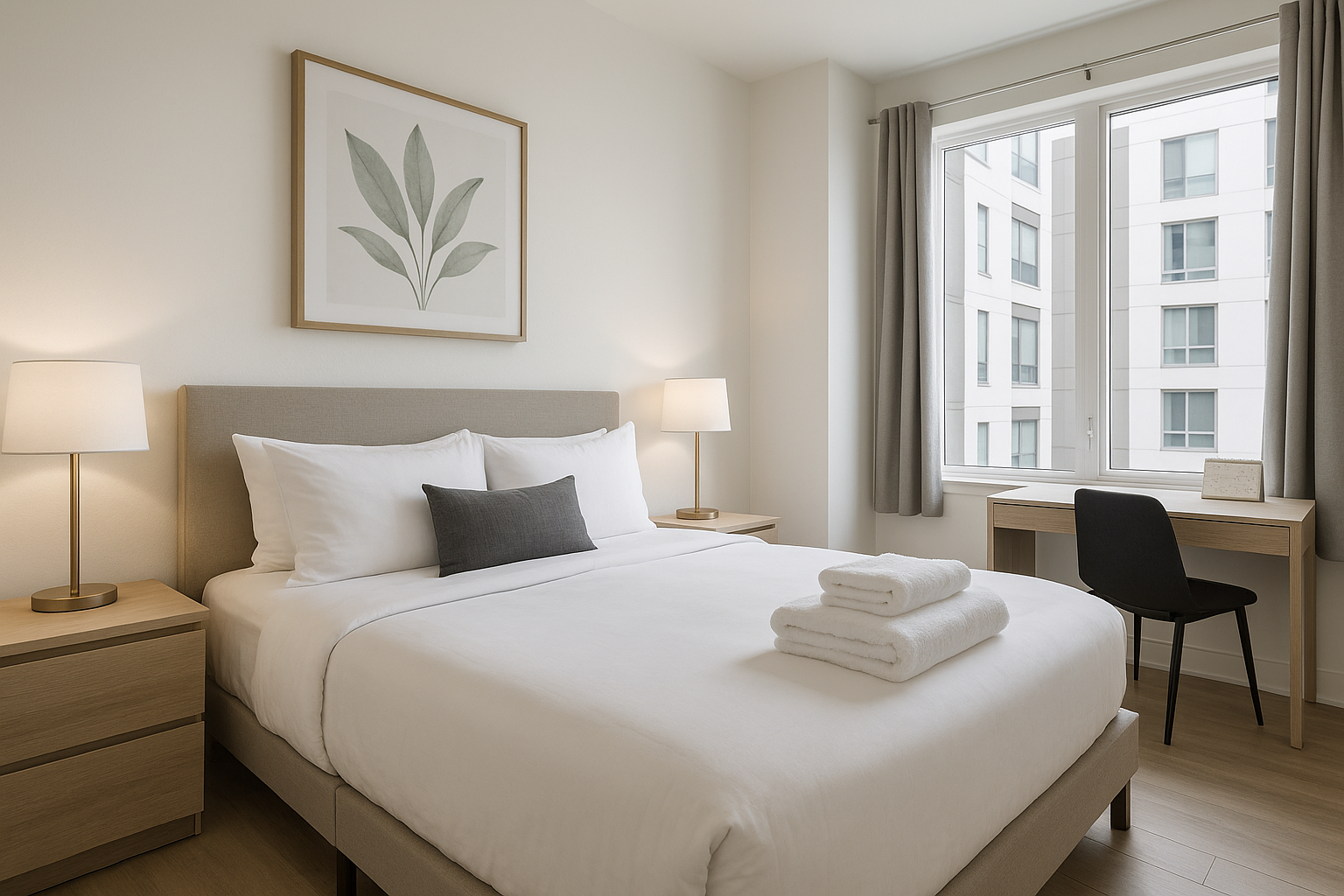
Unlike a weekend vacation rental, a snowbird property needs to function as a full home for 4–6 months. The best listings include: a fully stocked kitchen with quality cookware, adequate storage for extended stays (good closets and drawer space), in-unit laundry, reliable high-speed internet, outdoor space (screened lanai, patio, or pool access), and parking. A local contact or caretaker available for maintenance issues during a long stay is essential and worth prioritizing even if the property costs slightly more.
Beds and mattress quality matter enormously for long stays — always check recent reviews for comments about sleep quality. A listing with 47 5-star reviews praising the bed is worth more than a beautifully photographed property with ambiguous review language.
Florida Lease Terms for Snowbird Rentals
In Florida, stays exceeding 30 days carry additional tenant protections under state landlord-tenant law. Snowbird rental agreements should be purpose-built mid-term contracts that specify: exact lease dates, utility inclusions or caps, pet policy, early termination conditions, damage deposit structure, and host access rights. A generic vacation rental terms page is insufficient for a 5-month booking. Have any multi-month Florida rental agreement reviewed by a Florida-licensed attorney before signing.
Finding Florida Snowbird Rentals: Where to Search
The major platforms (Airbnb, Vrbo, Furnished Finder, and Facebook Marketplace) all carry Florida snowbird inventory, but each has different strengths. Furnished Finder specializes in mid-term furnished rentals and is heavily used by the snowbird market. Direct searches on local property management company websites in your target market often surface listings that don't appear on the major platforms. Starting your search in August or September for a January arrival gives you the widest selection — January properties in Naples that aren't secured by October typically command 10–20% premium over comparable properties booked earlier.

Join the Discussion
No comments yet. Be the first to share your thoughts!