
North Shore Oahu Vacation Rentals: Everything You Need to Know
The North Shore of Oahu is synonymous with world-class surf, laid-back beach towns, and breathtaking scenery. For travelers and investors alike, North Shore Oahu vacation rentals offer a unique opportunity—whether you're searching for an escape near legendary waves like Pipeline or aiming to earn steady passive income as a property owner. This guide provides a deep dive into the North Shore vacation rental market, including essential tips for hosts, travelers, and investors seeking the best experience and return on investment.
What Are North Shore Oahu Vacation Rentals?
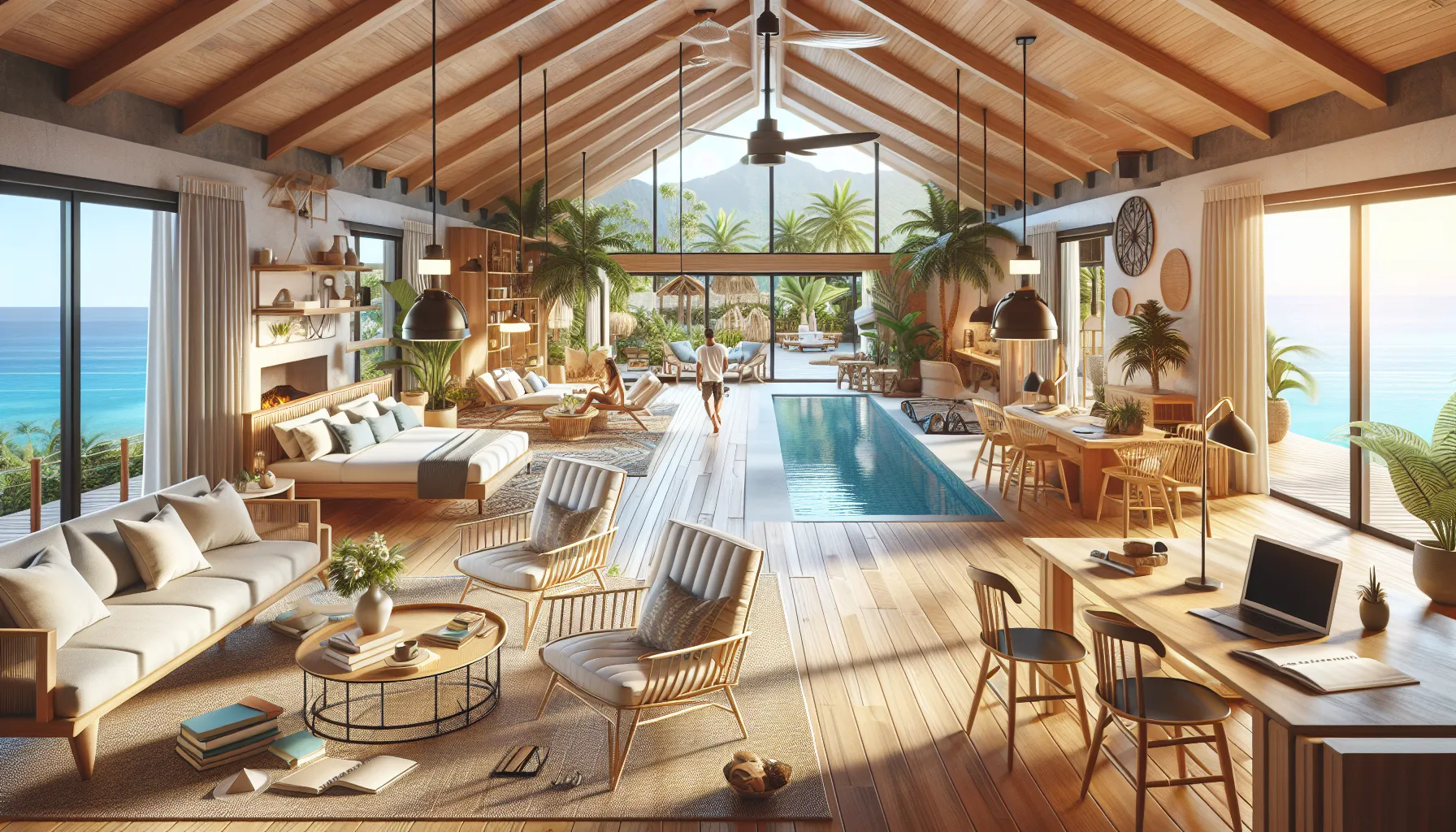
North Shore Oahu vacation rentals refer to privately owned properties—such as beachfront cottages, luxury villas, condos, and bungalows—available for short-term or extended stays. Unlike hotels, these rentals offer guests a more immersive, local experience, often with flexible booking options and amenities like full kitchens, private lanais, and proximity to local hotspots.
Key areas with high rental demand include Haleiwa, Sunset Beach, Pupukea, Waimea Bay, and Kahuku (near Turtle Bay Resort). Properties cater to surf enthusiasts, families, couples, corporate retreats, and long-term travelers seeking a slower island pace compared to Waikiki or Honolulu.
How North Shore Oahu Vacation Rentals Work
Booking and Hosting Process
Guests usually find rentals through online platforms specializing in short-term vacation homes. The process typically works as follows:
- Listing: Owners list their property on sites like Airbnb, VRBO, or emerging marketplaces such as JmartBookings. Listings include photos, descriptions, pricing, and availability calendars.
- Booking: Guests search for suitable rentals by date, location, price, amenities, and guest reviews. Instant booking or inquiry-based bookings are standard.
- Confirmation: Bookings are confirmed, payments processed, and arrival instructions sent. Many platforms provide secure communication tools and facilitate cleaning services, guest screening, and keyless entry.
- Stay and Checkout: Guests enjoy local experiences and often rate their stay afterwards, impacting host reputation and future bookings.
Channel Management and Dynamic Pricing
To maximize occupancy and revenue, savvy hosts use short-term rental software to synchronize calendars across multiple booking platforms and set dynamic pricing. For example, leveraging occupancy data and local event calendars can increase nightly rates during surf competitions or school holidays.
Benefits of Choosing North Shore Vacation Rentals
For Travelers
- Privacy and Space: Entire homes, oceanfront patios, and secluded gardens provide more comfort than standard hotel rooms.
- Authentic Experiences: Stay within walking distance of local surf spots, farmers’ markets, and off-the-beaten-path eateries.
- Cost-Effectiveness: For families or groups, vacation rentals often offer significant savings compared to booking multiple hotel rooms—especially when factoring in home-cooked meals and free parking.
- Flexible Stays: Many properties now accommodate long-term stays, ideal for remote workers or snowbirds hoping to enjoy the North Shore lifestyle.
For Hosts and Investors
- Attractive ROI: Strategic North Shore rentals can achieve annual occupancy rates between 65% and 90%, with premium properties earning $350–$1,200 per night during peak winter surf season.
- Diversified Income: Hosting on multiple platforms reduces reliance on local tourism cycles and helps fill off-season gaps.
- Property Appreciation: Oahu’s coastal real estate remains in high demand, with potential for medium- to long-term equity gains.
Newer platforms like JmartBookings further tip the scales for hosts by allowing users to keep more of their earnings—users enjoy zero listing fees for the first six months, and guests only pay a minimal 5% commission. This cost savings can translate directly into higher net income and improved pricing competitiveness.
The Geography of North Shore Oahu and Why It Matters for Rentals
North Shore Oahu stretches roughly 20 miles along the island's northwestern coastline, running from Kaena Point in the west to Kahuku Point in the east. This geography directly shapes rental demand. Properties within a half-mile of the water command significantly higher nightly rates, while elevation gains in areas like Pupukea offer cooler temperatures and panoramic ocean views that attract a distinct traveler segment. The Kamehameha Highway serves as the main artery connecting rental clusters, meaning properties within walking distance of this corridor benefit from easier guest access to restaurants, surf shops, and beach parks. Understanding micro-location within the North Shore—not just "North Shore" broadly—determines whether a rental sits in a high-demand pocket or a slower-moving inventory zone.
Seasonal Patterns Unique to the North Shore Rental Calendar
Unlike Waikiki, which draws fairly consistent year-round tourism, the North Shore operates on a distinct two-season rhythm driven by surf. Winter swells generated by North Pacific storms typically arrive between October and February, drawing professional surfers, photographers, contest spectators, and surf enthusiasts from around the world. The Eddie Aikau Invitational, the Vans Triple Crown of Surfing, and the Billabong Pipe Masters all fall within this window and create short but intense demand spikes where weekly rental rates can double or triple. Summer months bring calmer water, attracting snorkelers, families, and travelers seeking a quieter escape, but occupancy tends to soften. Shoulder months—March through May and September through October—represent the biggest revenue management opportunity for hosts who price aggressively and target remote workers or extended-stay guests rather than competing purely on tourism volume.
Guest Profile Breakdown: Who Rents on the North Shore
Knowing exactly who books North Shore rentals allows hosts to tailor amenities, marketing copy, and pricing accordingly. Surf travelers represent the largest single segment during winter and typically book 3–10 night stays, prioritize proximity to specific breaks, and often travel in groups of two to six. Families visiting from the US mainland make up a substantial summer cohort and tend to book larger properties with full kitchens, multiple bathrooms, and outdoor space for an average of 7–14 nights. Remote workers and digital nomads have emerged as a fast-growing segment post-2020, often seeking 30-plus day stays with reliable high-speed internet, a dedicated workspace, and proximity to coffee shops and grocery stores in Haleiwa town. Luxury travelers seeking private pool villas and curated local experiences represent the smallest but highest-revenue segment, with average booking values exceeding $5,000 per stay. Each guest type requires a different listing strategy, amenity investment, and communication style.
Amenity Investments That Directly Impact North Shore Rental Revenue
Certain amenity additions produce measurable booking and revenue lifts specific to the North Shore market. Outdoor shower installations are nearly mandatory for surf-adjacent properties, as guests arriving sand- and salt-covered from the beach strongly prefer rinsing before entering the home. Surfboard and gear storage—whether a lockable shed or wall-mounted racks—addresses a genuine need for guests traveling with equipment and can justify a modest nightly rate premium. Reliable, fast internet with speeds above 100 Mbps has become a baseline expectation rather than a differentiator, though hosts who advertise verified speed test results attract longer-stay remote workers more reliably. Blackout curtains or shades are consistently mentioned in North Shore reviews given that sunrise occurs early and many properties face east. Air conditioning is valued but not universally expected in the North Shore's naturally ventilated mid-range market, making it a genuine differentiator in properties under $500 per night where it is less common.
Understanding Nonconforming Use Certificates and Their Market Impact
Properties holding valid Nonconforming Use Certificates represent a legally distinct and financially significant subset of the North Shore rental inventory. An NUC was issued to properties that were operating as short-term rentals before Honolulu County's current zoning restrictions took effect, grandfathering their right to continue operating legally in residential zones where new short-term rental permits are no longer available. NUC-holding properties command a meaningful premium on the real estate market because buyers acquire not just the home but the right to operate a short-term rental business in a restricted zone. For investors, purchasing a property with an existing, transferable NUC removes the single largest regulatory barrier to entry and substantially improves financing scenarios, projected cash flow, and exit value. Prospective buyers should verify NUC status directly with Honolulu's Department of Planning and Permitting before closing, as not all listed properties accurately represent their legal rental status.
How North Shore Rental Rates Compare Across Property Types
Rate benchmarking across property categories helps both guests negotiate value and hosts position their listings competitively. Studio and one-bedroom units near Haleiwa or Sunset Beach typically range from $150 to $350 per night in the off-season and $300 to $600 during peak surf season. Two- and three-bedroom homes that sleep four to eight guests represent the volume core of the market, with off-peak rates between $350 and $700 and peak-season rates reaching $700 to $1,400 depending on beach proximity and view. Luxury four-plus bedroom properties with private pools, ocean frontage, and premium finishes occupy a separate tier, commanding $1,500 to $4,000 or more per night during high-demand periods. Cleaning fees across all tiers have risen sharply in recent years and now typically represent 10–20% of the total booking cost for shorter stays, making competitive fee-setting an important factor in conversion rates, particularly for guests comparing similar listings side by side.
The Role of Reviews and Reputation in North Shore Market Performance
On the North Shore, where inventory is more limited than in urban Honolulu and repeat visitors are common, review velocity and rating consistency carry outsized weight. Listings that accumulate reviews quickly in their first 90 days benefit from algorithmic boosts on major platforms, increasing visibility precisely when establishing a booking history matters most. Properties with ratings below 4.6 face measurable suppression in search results regardless of price competitiveness. Common North Shore-specific review complaints that hosts can proactively address include noise from roosters—endemic across rural Oahu—insects entering through open windows in naturally ventilated homes, inconsistent water pressure in older properties, and limited cell signal in more remote areas toward Kahuku. Disclosing these realities clearly in listing descriptions reduces negative surprise reviews while simultaneously attracting guests who understand and accept the trade-offs of a rural coastal setting.
Long-Term Rental as a Regulatory Workaround and Alternative Strategy
Given the permitting constraints on short-term rentals in most North Shore residential zones, some property owners operate successfully under the 30-plus day rental model that bypasses short-term rental regulations entirely. Monthly rentals on the North Shore attract a mix of surf professionals spending a season, traveling healthcare workers stationed at North Shore community clinics, military personnel seeking off-base housing, and remote workers extending a vacation into a temporary relocation. Monthly rates for furnished North Shore homes typically range from $3,500 to $8,500 depending on size, condition, and beach proximity—competitive with nightly rate math on a per-month basis when vacancy, cleaning costs, and platform fees are netted out. Hosts operating in the monthly rental model face lower administrative overhead, reduced wear and tear from turnover, and simplified tax obligations, though they sacrifice rate flexibility and the ability to block personal use periods during peak season.
Challenges and Risks in the North Shore Oahu Rental Market
Regulatory Restrictions
Honolulu County enforces strict vacation rental regulations, including permit requirements and zoning restrictions. Many areas restrict short-term rentals (<30 days) to specific zones or properties with Nonconforming Use Certificates (NUC). Unpermitted short-term rentals run the risk of hefty fines and forced closure, making legal compliance essential.
Seasonal Demand and Price Volatility
The North Shore experiences sharp occupancy peaks during the winter surf season (November–February) and dips in late spring or early fall. Without effective dynamic pricing, hosts may leave money on the table during high season or see lower occupancy in the shoulder months.
Maintenance and Guest Experience
High turnover creates wear-and-tear, especially in beachfront properties exposed to salt and wind. Negative guest reviews (due to poor cleaning or slow communication) can dramatically reduce bookings, so continuous attention to guest experience and proactive property management is crucial.
Strategies for Success: Maximizing ROI and Guest Satisfaction
Optimizing Occupancy Rates
- Leverage Multiple Platforms: Don’t rely solely on one marketplace. List your property on Airbnb, VRBO, and emerging platforms like JmartBookings to expand reach and reduce vacancy gaps.
- Channel Management Software: Invest in tools that synchronize calendars, automate messaging, and prevent double bookings, saving administrative time and minimizing costly errors.
- Minimum Stay Settings: Adjust minimum night requirements based on seasonality. For example, during peak surf events, three- to five-night minimums can boost average booking value, while single-night stays may fill slower weeks.
Implementing Dynamic Pricing
- Regularly audit local competition and set pricing bands. Example: For a 3-bedroom oceanfront home, set nightly rates at $700–$1,100 during peak surf season, $500–$700 during spring/fall, and $400–$600 in low winter months excluding major events.
- Adjust cleaning fees to reflect local averages ($225–$375 per stay) while keeping them competitive to attract longer bookings.
- Use dynamic pricing tools that monitor occupancy trends, local events (e.g., Triple Crown of Surfing), and holidays to maximize revenue per available night.
Delivering 5-Star Guest Experiences
- Professional Cleaning and Turnover: Hire local cleaners experienced with short-term rentals; consider surprise audits to ensure quality and consistency.
- Responsive Communication: Use automation to deliver timely responses. Many guests expect replies within 1 hour.
- Onboarding and Local Tips: Provide a digital or printed welcome guide with check-in/out instructions, surf spot etiquette, recommended restaurants, and cultural tips.
- Proactive Maintenance: Beachfront homes need regular attention to windows, AC units, and salt-sensitive appliances; schedule quarterly inspections to catch issues early.
- Review Solicitation: After every stay, politely request feedback. Recent case studies show that properties with 4.7+ star averages are booked 30% more often on competitive platforms.
Smart Marketing and Guest Acquisition
- Target previous guests for repeat stays and offer loyalty discounts (5%–10%) to those booking directly.
- Invest in professional photography and drone footage to showcase unique features—properties with standout visuals see up to 25% higher conversion rates.
- Leverage social proof by sharing recent 5-star reviews and guest testimonials.
Seasoned hosts on JmartBookings routinely report earning more and attracting highly rated guests due to the platform’s seamless booking process and user-friendly interface. It only takes a few minutes to list your property and start receiving inquiries, making it an ideal choice for new and established hosts alike.
Legal and Regulatory Considerations for North Shore Vacation Rentals
Permitting and Compliance
Honolulu County regulates short-term rentals through Bill 89 (Ordinance 19-18), requiring most hosts to secure proper permits for rentals under 30 days. Key considerations include:
- Zone Restrictions: Short-term rentals are generally limited to resort and designated zones, with most residential areas reserved for 30+ day stays unless grandfathered in.
- Advertising Rules: All online listings must display permit numbers. Violation can result in fines of $1,000–$10,000 per day.
- Transient Accommodation Taxes: Hawaii levies General Excise Tax (GET) and Transient Accommodations Tax (TAT) on short-term rental income. Accurate collection and timely remittance are mandatory.
- Noise and Occupancy Limits: Many neighborhoods set strict quiet hours and occupancy caps per property; these should be disclosed clearly to guests to avoid complaints and penalties.
Carefully research local requirements and consider legal consultation before launching a North Shore Oahu vacation rental business. Compliance ensures long-term income stability and guest trust.
Conclusion: Getting Started with North Shore Oahu Vacation Rentals
The North Shore remains one of Oahu’s most desirable—and competitive—vacation rental destinations. Whether you’re seeking an authentic Hawaiian experience as a guest or planning to capitalize on high tourist demand as an owner, success hinges on legal compliance, proactive guest service, dynamic pricing, and smart channel management.
If you’re ready to join this lucrative market, consider listing your property with an emerging marketplace like JmartBookings. With zero listing fees for the first six months and only a small 5% guest commission, it’s an effective way to maximize earnings and reach a global audience seeking both short- and long-term North Shore stays. Explore the platform today to connect with travelers and start earning 5-star reviews—your next booking could be just a few clicks away.
Join the Discussion
No comments yet. Be the first to share your thoughts!