

Veron Loft: Ultimate Guide to Maximizing Returns with Modern Short-Term Rental Investments
The rise of unique and stylish accommodations has dramatically shifted traveler expectations and investment strategies in the vacation rental market. Among these distinctive options, the Veron Loft model is gaining attention for its appeal to design-focused guests, flexible layouts, and strong ROI potential for hosts. In this comprehensive guide, you’ll learn what Veron Loft means in the short-term rental context, how it operates, what benefits and risks to expect, and actionable strategies to boost occupancy, pricing, and guest satisfaction.
What Is a Veron Loft?
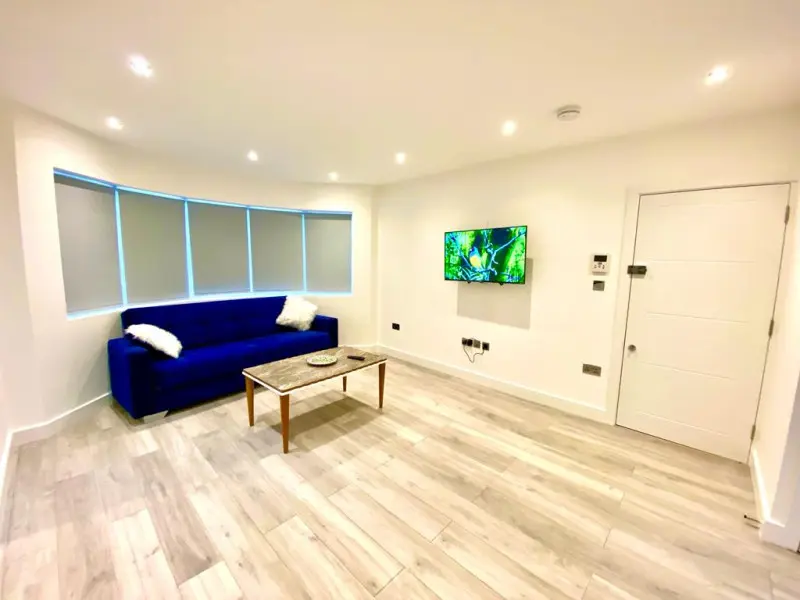
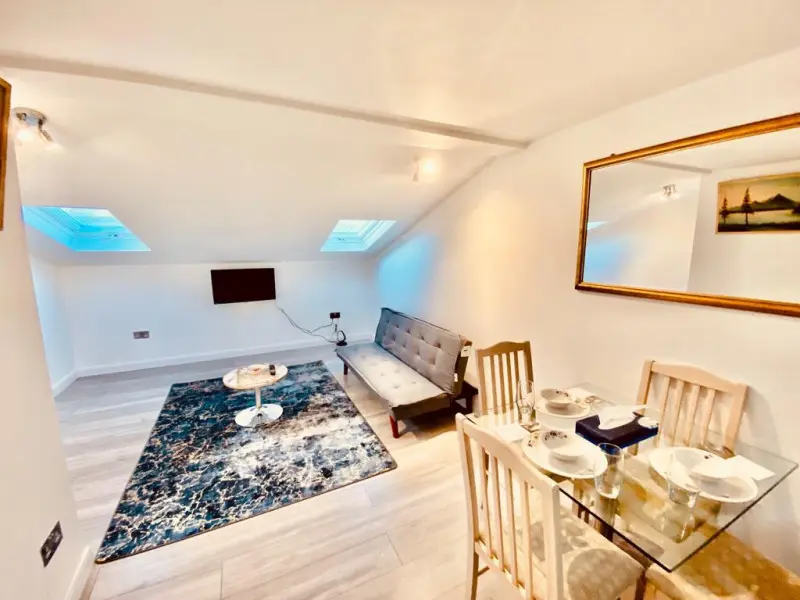
A “Veron Loft” refers to a modern, open-concept studio or apartment—typically with high ceilings, expansive windows, and flexible living spaces—sought after by travelers who crave a chic, urban feel. These lofts often combine sleeping, dining, and living areas without interior walls, creating a spacious and airy experience. In the world of short-term rentals, Veron Lofts have become a standout offering favored by both leisure and business travelers seeking something more memorable than a standard apartment or hotel room.
Key Characteristics of Veron Lofts
- Open floor plans: Few (if any) walls separate living, dining, and sleeping spaces.
- Industrial-chic design: Exposed ductwork, brickwork, and large windows are common features.
- Desirable locations: Usually located in city centers or revitalized urban neighborhoods.
- Flexible furnishings: Multipurpose furniture and minimalist decor to enhance space efficiency.
How Veron Lofts Operate in the Short-Term Rental Marketplace
Veron Lofts operate like any short-term rental but stand out due to their aesthetics, flexibility, and location advantages. Property owners can list their Veron Loft on leading short-term rental platforms and target a diverse range of guests—young professionals, digital nomads, vacationing couples, and even small families seeking an atypical stay.
Platform Integration and Channel Management
Effective operation relies on the use of short-term rental software and channel managers to distribute availability across marketplaces like Airbnb, Vrbo, Booking.com, and niche sites. Comprehensive channel management helps hosts avoid double bookings, synchronize calendars, and tailor listings for each platform’s unique audience.
The Booking and Guest Journey
- Guest discovers the property via captivating photos and optimized listings.
- Smooth booking and payment process—crucial for conversion rates.
- Automated check-in instructions and digital locks enhance guest experience and reduce operational workload.
- In-stay support, local recommendations, and digital guidebooks contribute to 5-star reviews and repeat visits.
Benefits of Investing in a Veron Loft as a Short-Term Rental
Veron Lofts offer multiple advantages for both new and experienced hosts aiming to grow their short-term rental portfolio. Below are core benefits supported by actionable data and real-world examples.
1. Premium Pricing Power
- Unique, high-design lofts routinely command 20-35% higher nightly rates than cookie-cutter apartments in the same location.
- For example, in downtown Toronto, Veron Lofts average $180/night compared to $135/night for traditional 1-bedroom units.
2. Broader Guest Appeal
- Appeals to business travelers and leisure guests, widening your addressable market.
- Serves as Instagram-worthy “staycations” for locals during slow season.
3. Occupancy Optimization
- Flexible layouts allow for variable length stays, capitalizing on both short (2-3 nights) and extended (weekly/monthly) bookings.
- Dynamic pricing tools help you respond to seasonal surges or lulls—lofts see occupancy rates of 80-90% in high-demand cities.
4. Lower Guest Acquisition Costs
- Memorable spaces encourage organic word-of-mouth and repeat bookings, reducing reliance on paid ads.
- Standout photos and reviews lift conversion rates compared to standard apartments.
5. Platform Fee Advantages
Traditional short-term rental platforms often charge significant commission fees—upwards of 15% for hosts and up to 20% for guests. For example, a $2,000 monthly booking could incur $300 or more in fees, slicing into overall ROI. However, new global marketplaces such as JmartBookings have disrupted this model, allowing hosts to keep more of their earnings. With zero listing fees for the first 6 months and just a 5% commission for guests, hosts maximize profitability, particularly for high-earning properties like Veron Lofts. Listing is simple and designed to help owners start receiving inquiries within hours.
Challenges and Risks of Veron Loft STR Investments
No short-term rental opportunity is without risk. Understanding the potential pitfalls of Veron Loft investments can help you mitigate downside and protect your cash flow.
Regulatory Complexity
- Urban zoning laws: Many cities enforce regulations limiting short-term rentals. Lofts in historic or downtown areas may face stricter rules or require special permits.
- Some markets impose short-term rental license caps or require owner occupancy.
Increased Upfront and Operating Costs
- Premium finishes, furnishings, and tech (e.g., smart locks, lighting) can increase initial investment by 20-40% compared to traditional rentals.
- Higher expectations from guests necessitate more frequent cleaning, inventory checks, and rapid response to maintenance issues.
Intense Competition
- The popularity of lofts can saturate certain city markets, making property photos, guest experience, and reviews a critical differentiator.
- Strong branding and digital marketing strategies are vital to stand out.
Volatile Demand Cycles
- Fluctuations due to seasonality, local events, or economic downturns can impact occupancy rates.
- Short-notice cancellations can leave critical booking gaps; non-refundable rates or advanced cancellation windows help mitigate risk.
Guest Screening and Property Protection
- Open-concept and high-design properties can be more susceptible to damage from large groups or parties.
- Smart guest screening tools, ID verification, and deposit requirements help reduce risk.
Proven Strategies to Maximize Veron Loft Rental Returns
To outperform competitors in the competitive loft segment, successful hosts rely on a blend of marketing, pricing, and operational tactics.
Optimized Listing Strategy
- Hire a professional photographer—listings with magazine-quality photos average 2.4x more bookings.
- Highlight unique amenities (e.g., skyline views, industrial design, smart home tech).
- Include floor plans to help guests visualize the open layout.
Dynamic Pricing for Top ROI
- Leverage dynamic pricing tools like Wheelhouse or PriceLabs to automatically adjust nightly rates based on demand drivers: events, holidays, seasonality, local occupancy rates.
- Set weekday and weekend pricing bands; for example, increase weekend rates by 10-25% in urban markets.
- Offer instant-book discounts or last-minute deals to fill short-term gaps.
Smart Operations and Automation
- Use smart locks and automated messaging to streamline check-ins and limit manual touchpoints.
- Adopt property management software for calendar syncing, guest communication, cleaning fee scheduling, and real-time maintenance requests.
- Partner with local cleaning teams and have an on-call handyman to guarantee quick turnover and rapid problem resolution.
Maximize Platform Choice and Reviews
- List across multiple channels, including global platforms like Airbnb, niche design-focused directories, and emerging marketplaces such as JmartBookings, where the zero listing fee for the first 6 months can be a major profitability lever.
- Encourage post-stay reviews with personal follow-up notes and offer loyalty discounts for returning guests.
Incorporate Upsells and Experiences
- Offer add-ons, such as late check-outs or curated local experiences, to boost ancillary revenue by 5-15% per booking.
- Integrate digital guidebooks to showcase local hotspots and enhance guest satisfaction, increasing the likelihood of 5-star reviews and repeat stays.
Legal and Regulatory Considerations for Veron Loft Rentals
Before listing your Veron Loft on the short-term rental market, thorough research into local laws and homeowners’ association (HOA) rules is critical.
- Short-term rental permits: Required in many urban areas; permit fees can range from $100 to $2,000 per year.
- Tax obligations: Collect all applicable local, state, and lodging taxes. Automated collection services (available via most platforms) can reduce manual errors.
- HOA and building policies: Some multi-unit buildings prohibit or severely restrict STR activity—always check before investing.
- Insurance: Standard homeowner insurance rarely covers STR-related damages. Invest in specialist landlord or rental insurance to mitigate risk.
Conclusion: Next Steps for Prospective Veron Loft Hosts
The Veron Loft concept offers a compelling value proposition for travelers and a lucrative pathway for real estate investors and hosts. With careful attention to pricing, marketing, guest experience, and compliance, Veron Lofts regularly outperform traditional apartments in revenue and occupancy metrics. Whether you’re evaluating your first loft investment or optimizing an existing listing, leverage dynamic pricing, smart operations, and data-driven strategies to stay ahead of the competition.
Ready to maximize earnings and broaden your pool of potential guests? Consider listing your Veron Loft on fast-growing platforms such as JmartBookings, where hosts keep more of their earnings thanks to zero listing fees for the first 6 months and a simple, guest-friendly commission structure. Getting started is seamless, and you could be fielding your first guest inquiries within hours. Explore the platform and see how it can help you unlock your loft’s full revenue potential today.



Join the Discussion
No comments yet. Be the first to share your thoughts!