
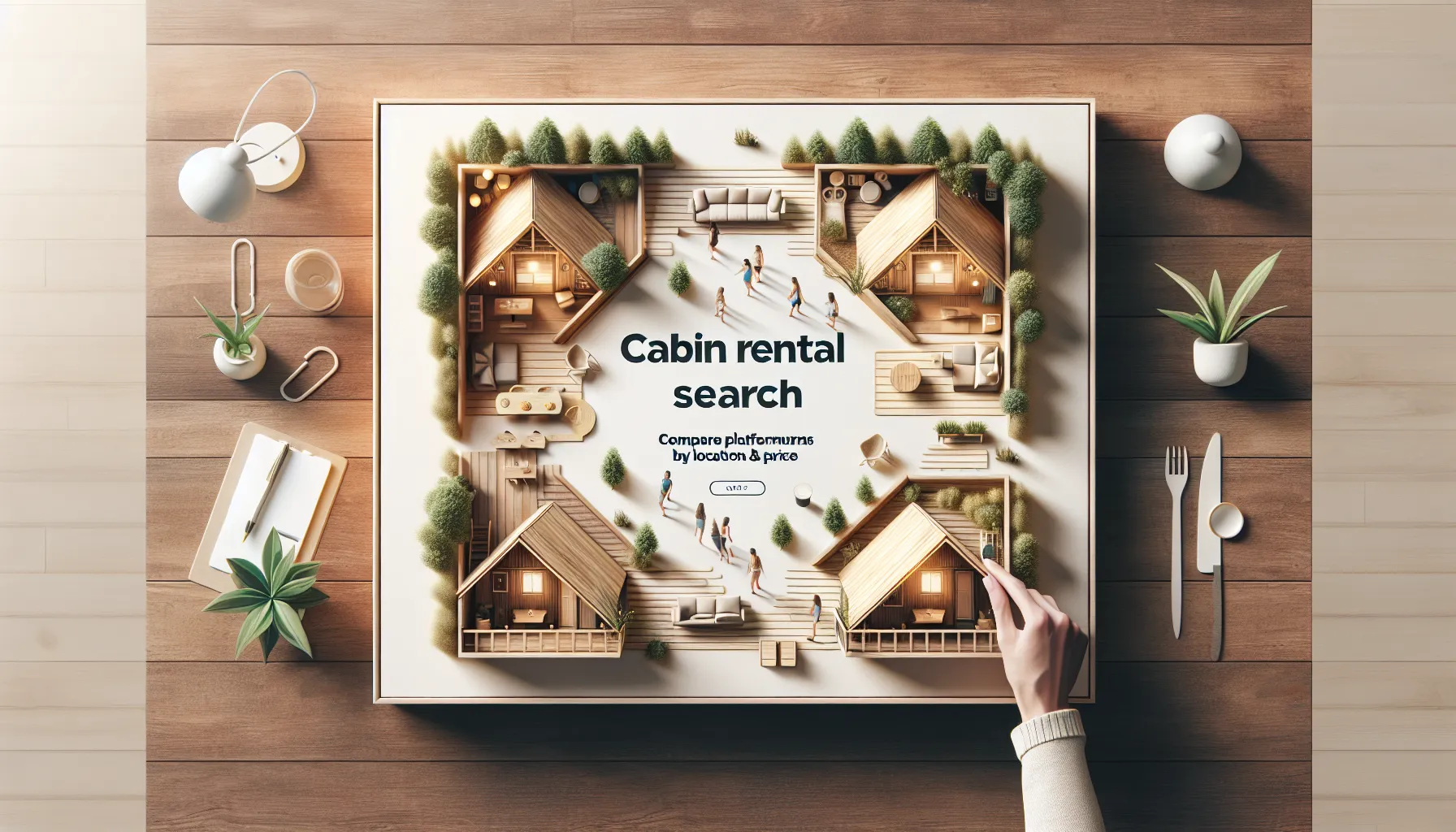
Cabins for Rent Near Me: How to Find and Profit From the Hottest Short-Term Rental Trend
Understanding the Appeal of Cabins for Rent Near You
The demand for “cabins for rent near me” has surged as travelers seek unique, secluded getaways that offer comfort, privacy, and proximity to nature. Cabin rentals are no longer limited to remote mountain retreats or lakeside escapes — they’re increasingly found near urban centers, popular national parks, and scenic destinations. For guests, the attraction is clear: cozy interiors, natural surroundings, and an experience that feels a world away without the hassle of far-off travel. For hosts and investors, cabins can offer strong returns, high occupancy rates, and insulation from urban STR regulations.
Why Cabins Are Thriving in the Short-Term Rental Marketplace
- Year-round demand: Cabins attract guests in every season — from summer hikers to winter skiers.
- Guest preferences: More travelers are seeking pet-friendly, family-friendly, and Instagram-worthy stays.
- Diversification: Investors move beyond city apartments for greater market resilience.
How the Process Works: Renting or Listing a Cabin Near You
Booking a Cabin
- Search: Use short-term rental marketplaces or listing portals, filtering by location, amenities, and price range. Major platforms allow users to set their area — searching for cabins within a specified radius (20-50 miles) based on your “near me” query.
- Compare Options: Review property photos, amenity lists (hot tubs, fireplaces, lake access), cleaning fees, and past guest reviews.
- Book Direct or Through a Marketplace: Platforms like Airbnb, Vrbo, or JmartBookings streamline reservations and payment.
- Review Check-In Process: Digital locks and self-check-in are now standard in most cabins.
Listing Your Cabin for Rent
- Photography: Professional photos can increase click-through rates by 60% and help highlight unique features.
- Dynamic Pricing: Use short-term rental software or built-in platform tools for real-time price optimization based on seasonality and local demand.
- Channel Management: List across multiple platforms without risking overbooking — many use property management systems to sync calendars automatically.
- Guest Screening & Messaging: Implement guest vetting through ID verification, security deposits, and automated messaging for smoother, safer stays.
- Cleaning & Maintenance: Establish professional cleaning between bookings to maintain high ratings.
Key Benefits of Renting or Owning Cabins in Your Area
For Travelers
- Privacy & Space: Standalone units mean private decks, yards, and fewer shared walls — ideal for families, couples, or small groups.
- Location Versatility: From lakeside to mountainside or even close to urban attractions, cabins cater to both adventure and relaxation seekers.
- Flexible Stays: Many cabins offer both short-term and extended booking options, accommodating weekend escapes or longer workcations.
For Hosts & Investors
- Premium nightly rates: Unique cabins often command higher ADR (Average Daily Rate). Example: In the Smoky Mountains, a two-bedroom cabin can fetch $200-400 per night during peak season, versus $120-180 for a standard urban Airbnb.
- Consistent occupancy: Well-marketed cabins in popular regions average 65-90% occupancy, depending on amenities and seasonality.
- Lower platform fees: Newer marketplaces like JmartBookings let hosts keep more of their earnings — with zero listing fees for the first six months and just a small 5% guest commission, maximizing net profit compared to traditional platforms.
- Long-term profitability: Remote or semi-remote cabins can see annual occupancy rates higher than 70%, depending on proximity to attractions and the effectiveness of marketing and guest experience.
Common Challenges and Risks When Renting Cabins
Seasonality and Weather Dependence
Location-specific cabins face occupancy swings. For example, mountain cabins may experience fewer bookings in shoulder seasons (mud season, late fall). Offset these risks through:
- Dynamic pricing: Lower rates in off-peak months to drive midweek or shoulder season demand.
- Flexible minimum stays: Allow one- or two-night bookings during low-demand periods to encourage more reservations.
Regulatory and Zoning Restrictions
Local STR ordinances continue to evolve. Some mountain or lakeside towns cap the number of short-term rentals, require permits, or limit bookings to certain zones. Research is crucial; non-compliance can result in fines or loss of rental privileges. Some hosts mitigate regulatory risks by targeting counties with more STR-friendly rules.
Operational Challenges
- Access and maintenance: Remote cabins require reliable cleaning teams, snow removal agreements, and regular property checks.
- Utility infrastructure: Rural locations may have well water, septic systems, or power outages. Set guest expectations and have clear response plans.
- Guest behavior: Screening and security deposits are crucial to prevent property damage, especially in rural and nature-surrounded locations.
Effective Strategies for Maximizing Occupancy and Revenue
Optimize for Search and Guest Experience
- Keyword-rich but natural listing titles: Use phrases like “cozy lakefront cabin near [local landmark]” to appear in local search results.
- Amenities that sell: Hot tubs, fire pits, game rooms, smart TVs, and high-speed Wi-Fi drive higher rates and reviews. List every detail.
- Professional photography and virtual tours: Listings with great photos show 50% higher conversion rates than those with dim, cluttered images.
Leverage Multiple Channels for Bookings
- Utilize OTAs (Online Travel Agencies) like Airbnb and Vrbo, but don’t ignore new marketplaces such as JmartBookings—it’s simple to list your cabin and start fielding inquiries, often with lower fees and a fast-growing user base.
- Direct bookings: Build your own site with SEO-optimized content (“cabins for rent near [your city]”), guest acquisition forms, and integrated booking engines.
Dynamic Pricing and Revenue Management
- Adopt pricing software to automatically adjust rates based on demand, holidays, weather, and competitor occupancy. Example: A manager in the Blue Ridge region saw a $5,000 annual revenue lift after optimizing Saturday rates and lowering minimum stays midweek.
- Track local events (festivals, ski season openings), and set higher minimum rates during high demand, but offer last-minute discounts to optimize occupancy gaps.
Operational Excellence Drives Reviews
- Automate guest communication: Use messaging templates with Wi-Fi instructions, local guides, and check-out reminders.
- Fast, reliable cleaning: Schedule turnover crews with calendar management tools, especially if hosting back-to-back weekends.
- Smart locks and self-check-in: Reduces hassle and increases guest safety perception.
- Prompt reviews and reputation management: Follow up with guests for reviews; listings with 30+ reviews average 20% higher monthly occupancy.
Advanced Occupancy Tactics
- Offer multi-night discounts for midweek stays or longer bookings to lower guest acquisition costs per night.
- Partner with local businesses (kayak rentals, wineries, hiking guides) to add value and cross-promote your property.
Legal and Regulatory Considerations
What to Research Before Listing a Cabin
- Short-term rental permits: Many counties now require permits, which can range from $200-$1,000 per year. Ensure your cabin meets all fire, safety, and septic standards.
- HOA regulations: Some communities ban short-term rentals entirely; others impose minimum stay rules or rental caps.
- State lodging taxes: Know if you'll need to collect and remit sales and lodging taxes. Most platforms automate this; others place the responsibility on the host.
- Insurance: Secure dedicated short-term rental insurance to cover property damage or liability — standard homeowner’s policies may not apply.
Conclusion: Next Steps to Find or List the Perfect Cabin Near You
Cabins for rent near you provide an exciting opportunity — whether you’re seeking a tranquil nature retreat or aiming to maximize your investment returns. Successful guests choose cabins that offer location, comfort, and unique amenities. Successful hosts leverage dynamic pricing, multi-channel exposure, meticulous cleaning, and transparent guest communication to boost occupancy and reviews.
If you’re ready to explore hosting or want to discover top-rated cabins for your next getaway, platforms like JmartBookings offer a seamless, user-friendly experience. With zero listing fees for six months and a low 5% guest commission, both travelers and hosts save money—plus, a growing community is already raving about the intuitive booking process and quality stays. Check out JmartBookings today to see why more people are earning, booking, and giving five-star reviews in the cabin rental game.



Join the Discussion
No comments yet. Be the first to share your thoughts!