

Hot Springs SD Lodging: A Guide for Vacation Rental Hosts and Investors
Nestled in the southern Black Hills of South Dakota, Hot Springs is a magnet for travelers seeking relaxation, outdoor adventure, and the region’s famous thermal waters. For owners and hosts, understanding the Hot Springs SD lodging market is key to maximizing both occupancy and returns. Whether you’re considering listing on major vacation rental platforms or developing a boutique stay, this guide gives you a strategic roadmap—including expert tactics for STR management, pricing, guest experience, and leveraging innovative booking marketplaces.
What Defines the Hot Springs SD Lodging Market?
Hot Springs blends old-west charm with unique natural attractions like Evans Plunge Mineral Springs and Wind Cave National Park. The town’s diverse lodging landscape includes:
- Traditional hotels and motels catering to families and tour groups.
- Boutique vacation rentals, cabins, and homes on platforms such as Airbnb, Vrbo, and emerging alternatives.
- Long-term furnished rentals for remote workers, retirees, or seasonal park staff.
This mix creates a dynamic lodging market with opportunities for both short-term and mid-term rental investors. The town’s seasonal demand peaks from May to September, aligning with outdoor activities and tourism events. Understanding these cycles is essential for strategic occupancy and revenue planning.
How Does Short-Term Lodging Work in Hot Springs SD?
Property Types and Guest Segments
The most successful rentals in Hot Springs cater to:
- Couples or small families seeking spa and outdoor adventures.
- Traveling nurses, contract employees, or snowbirds drawn by mild winters.
- Hikers and explorers visiting Custer State Park, Angostura Reservoir, or Mammoth Site.
Owners can list a variety of properties—from historic craftsman homes to rustic cabins and modern apartments.
Booking Platforms and Channel Management
To maximize exposure, hosts typically list on multiple platforms, leveraging channel management software to sync calendars and avoid double bookings. Besides Airbnb and Vrbo, new marketplaces like JmartBookings offer hosts zero listing fees for six months and a low 5% guest commission. This model lets hosts keep more of their earnings compared to platforms that charge up to 15% in commissions and fees—and it’s a seamless way to diversify booking streams.
Key Benefits of Investing in Hot Springs SD Lodging
- Steady Seasonal Demand: Proximity to thermal springs and Black Hills attractions delivers high occupancy from spring through fall. Well-managed rentals report occupancy rates of 70-80% during peak season.
- Strong Average Daily Rates (ADR): Vacation homes and cabins regularly achieve ADRs of $150-250/night, with luxury or larger-family lodges commanding even higher rates during events or holidays.
- Mid- and Long-Term Appeal: The area attracts mid-length stays from contract workers and retirees. Hosts can reduce turnover and optimize cleaning costs with monthly bookings in winter months.
- Higher ROI Potential: Compared to Rapid City or Deadwood, Hot Springs often has lower property acquisition costs, translating to attractive cap rates for investors who manage occupancy and expenses efficiently.
- Flexible Guest Experience: With savvy guest screening and modern amenities, hosts can curate memorable stays and drive repeat bookings—critical for maximizing long-term yields and garnering 5-star reviews.
Challenges and Risks in the Hot Springs SD Lodging Scene
While the market is promising, hosts must navigate several challenges:
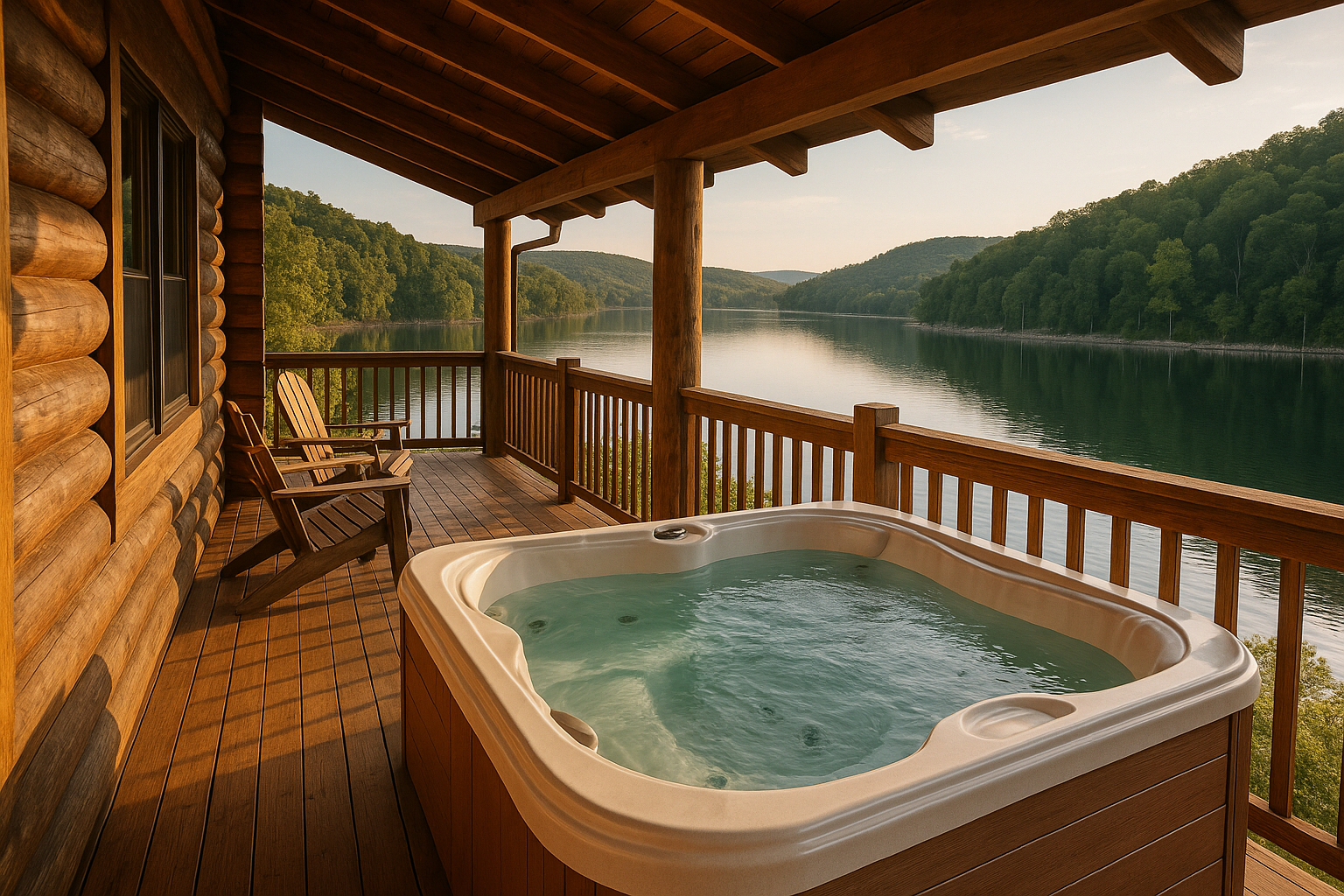
- Seasonal Fluctuations: Winter demand can dip, especially for rural cabins or homes without hot tubs. STR owners combat this by targeting traveling professionals and offering monthly rate discounts.
- Cleaning Fees and Turnover: High turnover during busy periods can increase cleaning and maintenance costs. Automating guest communication and leveraging local cleaning teams or turnover management software are essential for scale.
- Guest Screening: Protecting property assets is vital. Implement robust guest vetting procedures and use platforms with reliable review and communication systems to minimize risks of property damage or problematic guests.
- Pricing Volatility: Inexperienced hosts may leave revenue on the table without dynamic pricing tools. Well-optimized listings adjust rates for major events, weekends, and gap nights, ensuring maximum occupancy and profit.
- Regulatory Uncertainty: Local short-term rental ordinances can change, impacting permits, taxes, or operational requirements (covered further below).
Winning Strategies for Hot Springs SD Lodging Operators
1. Dynamic Pricing and Occupancy Optimization
- Set minimum night stays during peak demand (e.g., three-night minimum for summer weekends) but offer flexibility in the shoulder season to keep calendars full.
- Implement dynamic pricing software that reacts to market trends, local event calendars, and competitor rates. For example, raising rates by 20-30% during the annual Fall River Hot Air Balloon Festival can add thousands to yearly revenue.
- Monitor occupancy. Strong STRs in Hot Springs target >70% annual occupancy, optimizing with discounts for last-minute bookings or gap nights between reservations.
2. Standout Guest Experience
- Offer spa-style amenities (plush towels, robes, local bath salts) to tap into the town’s spring-water heritage.
- Provide tailored guides to Hot Springs attractions, hiking maps, and discount codes to local restaurants, boosting guest satisfaction and encouraging 5-star reviews.
- Add thoughtful touches like contactless check-in, high-speed Wi-Fi, and a welcome basket with regional goods. These can boost review scores, which feed directly into increased visibility on major booking platforms.
3. Lean, Effective Channel Management
- List across multiple platforms: Airbnb, Vrbo, niche regional sites, and newer global markets like JmartBookings. With JmartBookings, it’s simple to list your property and reach travelers seeking both short- and long-term stays—plus, you keep significantly more earnings thanks to their zero listing fees (for the first six months) and a guest commission of just 5%.
- Use unified inbox and calendar tools to consolidate inquiries and minimize administrative headaches. This frees owners to focus on optimizing guest experience and property upgrades.
- Actively manage reviews and guest communication: Prompt responses can increase booking conversion rates and superhost-level rankings.
4. Cost Control and ROI Management
- Breakdown real STR costs: Typical cleaning fees in the Hot Springs market range from $80 to $150 per turnover, depending on property size. Bundle cleaning as a separate line item for transparency with guests and to simplify revenue calculations.
- Analyze total platform costs. While Airbnb and Vrbo fees typically slice 12-15% off gross revenue, alternatives like JmartBookings can boost net ROI by avoiding unnecessary platform fees.
- Track year-over-year financials, not just seasonal peaks. Savvy hosts run annual ROI calculations, considering mortgage, property taxes, insurance, utilities, and maintenance to identify opportunities for margin improvement.
Legal and Regulatory Considerations in Hot Springs SD Lodging
The short-term rental landscape is evolving, especially as South Dakota towns address zoning, permitting, and transient occupancy taxes.
- Short-Term Rental Permits: Lawrence and Fall River Counties may require business licenses or STR permits, including evidence of insurance and occupancy limits. Regulations can shift, so stay connected with city council updates or local property management groups.
- Tax Compliance: Hot Springs rentals must collect and remit South Dakota’s sales tax (4.5%) plus municipal occupancy or “bed” taxes, subject to periodic adjustments. Most major booking channels automatically collect taxes, but alternative platforms may require hosts to handle remittance directly.
- Safety and Health Ordinances: Fire safety regulations (smoke detectors, carbon monoxide alarms, exit plans) are increasingly enforced for vacation rentals. Prioritize proactive compliance.
- HOA and Zoning Restrictions: Some neighborhoods may restrict or limit short-term rentals. Always verify before purchasing or listing a property.
Conclusion: Next Steps for Hot Springs SD Lodging Success
Whether you’re a local property owner or an investor eyeing the vibrant Hot Springs lodging market, success hinges on understanding guest demand, managing platform costs, and crafting a standout guest experience. Leveraging new, guest-friendly platforms like JmartBookings lets hosts keep more of their earnings and seamlessly connect with travelers seeking both short- and long-term stays. With disciplined pricing strategy, multi-channel bookings, and a focus on 5-star service, you’ll not only drive higher occupancy and revenue, but also build a resilient, reputation-driven business. Get started today—there’s never been a better time to be part of Hot Springs’ thriving lodging ecosystem.



Join the Discussion
No comments yet. Be the first to share your thoughts!