

Hotels That Let 18-Year-Olds Check In: The Straight Answer
Booked a room at 18, only to get turned away at the front desk? It happens more than travelers expect -- many major chains quietly enforce a 21-or-25 minimum check-in age, even when their site let you complete the reservation. Below is the verified, chain-by-chain 2026 list of who actually honors 18-and-up bookings, so you can lock in a stay without risking a last-minute denial and a wasted trip.
If you're 18, 19, or 20 and need a room, the question is simple: which hotels will actually let you check in, and which will turn you away at the front desk? The table below gives you the chain-by-chain answer. The sections after it cover the 5 US cities with the most 18+ properties, the legal exceptions in three states (Alabama, Nebraska, Mississippi), the debit-card "trap" that gets young guests denied even when the hotel allows 18+, and the military exception that overrides most age policies.
Hotels With a Minimum Check-In Age of 18 — Chain Comparison (2026)
| Chain | Typical Minimum Age | Reliability at 18 |
|---|---|---|
| Motel 6 | 18 | Most consistently 18-friendly major US chain. Best starting point. |
| Red Roof Inn | 18 (most locations) | Usually fine at corporate locations; franchise outliers exist. |
| Super 8 / Days Inn (Wyndham) | 18 at many locations | Heavily franchised — confirm per property. |
| Knights Inn / Wingate by Wyndham | 18 typically | Reliable at budget tier. |
| Best Western | 18 at most locations | Generally welcoming with ID + credit card. |
| Holiday Inn / Holiday Inn Express (IHG) | 18 at most properties | Resort/nightlife locations may require 21+. Full Holiday Inn breakdown → |
| Choice (Comfort Inn, Sleep Inn, Econo Lodge, Quality Inn) | Usually 18 | Defaults to local age of majority. |
| Marriott brands (Courtyard, Residence Inn, Fairfield) | 18 in many, 21 in flagship/urban | Marriott's own help page confirms it's set per-property, not brand-wide. |
| Hilton brands (Hampton Inn, Hilton Garden Inn, DoubleTree) | Often 21 in major cities; 18 at suburban/airport | Premium urban properties tend to enforce 21+. |
| Hyatt brands | Often 21 in major cities | Similar pattern to Hilton. |
| Four Seasons | 18 (per posted policy) | Rare luxury chain that publishes a clear 18+ rule. |
| Casino hotels (Las Vegas, Atlantic City, tribal) | 21 | Gaming regulations make this near-universal. |
| Hostels & Airbnb | 18 (Airbnb worldwide, no exceptions) | Best fallback when chain hotels turn you away. |
These are general patterns. Most branded hotels are independently owned franchises, so the only definitive answer comes from the specific property — see "How to Confirm" below.
The 5 US Cities With the Most 18+ Hotels
If you have flexibility on destination, raw inventory matters. Recent industry data tracking 18-friendly hotel inventory across major US cities ranks the most accommodating markets as:
- Los Angeles, CA — over 370 hotels accepting 18+ guests, more than double any other city
- San Diego, CA — around 180 properties
- New York City, NY — about 128 properties (mostly outside Manhattan flagships)
- Houston, TX — around 110 properties (large business-travel inventory)
- San Francisco, CA — about 110 properties
California dominates the list, claiming three of the five spots. Notable absences are cities you might assume would be young-traveler friendly: Miami, Las Vegas, New Orleans, and Atlantic City all sit below the threshold because alcohol, nightlife, and gaming regulations push more properties to 21+.
The State-Law Exceptions Most Guides Miss
In 47 US states, 18 is the age of majority — the age at which you can sign a binding contract, which is what a hotel booking is. But three states have a different baseline, and hotels there have a legitimate legal reason to enforce a higher minimum:
- Alabama: Age of majority is 19. Many hotels statewide require guests to be 19.
- Nebraska: Age of majority is 19. Same dynamic.
- Mississippi: Age of majority is 21. This is the strictest state in the country for solo 18-year-old travelers. Expect a hard 21+ rule at most properties.
Outside these three states, any minimum above 18 is private hotel policy — not law — and can vary even between two locations of the same chain.
The Military Exception
If you're 18 and on active military duty, most hotel chains have a documented override that allows you to check in regardless of the property's standard age minimum. You'll typically need a valid military ID alongside your photo ID and credit card. This applies even at properties that otherwise enforce 21+. Mention it at booking and bring the ID.
The Debit Card Trap (What Actually Gets 18-Year-Olds Denied)
Even at hotels that explicitly allow 18+ check-in, the single most common reason young travelers get turned away is the incidental hold — and specifically, debit cards failing it. Hotels place a temporary authorization on your card to cover potential damages, minibar, or pet fees. The amount is typically:
- $50–$150 per night at budget chains
- $100–$250 per night at mid-tier brands
- $250+ per night at luxury and resort properties
If you book with a debit card, that amount comes out of your available balance immediately and may not return for 5–10 business days after checkout. If you don't have the headroom, you'll be denied — even with a confirmed reservation. A credit card avoids this entirely because the hold doesn't reduce real spendable cash. Bring a credit card if at all possible. If you only have a debit card, confirm the exact hold amount in advance and have 2x that in available balance.
Common Mistakes That Get 18-Year-Olds Denied at Check-In
- Booking under a parent's name. Your reservation name must match your photo ID exactly. Booking under mom or dad's account and showing up with your own ID is one of the most common denials.
- Using a virtual card or someone else's card. The physical card used to pay must be present. Virtual cards and borrowed cards cause problems even when names match.
- Not having enough balance for the incidental hold. The deposit isn't optional — it's charged at check-in regardless of your reservation status.
- Calling the chain's national 1-800 line for age policy. Corporate lines can't tell you the specific property's rule. Call the hotel directly.
- Assuming all locations of a brand have the same policy. Two Holiday Inn Expresses in different cities can have completely different age rules.
What to Bring to Check-In (Non-Negotiables)
- Government-issued photo ID matching your reservation name exactly. Passport, driver's license, or state ID. Expired ID is a hard fail.
- The physical card used to book — virtual cards and a parent's card cause problems even when the booking name matches.
- Sufficient available balance on your card for the incidental hold (see section above).
- Reservation confirmation — email or app, plus the front desk's phone number in case of system issues.
- (Optional) Written age confirmation — if you called ahead and got the front desk to confirm 18+ acceptance in writing, bring that email.
How to Confirm a Hotel's Age Policy Before You Book
- Call the property directly — not the chain's national 1-800 line. Ask: "What is your minimum check-in age?"
- Request it in writing. A short email confirming 18+ acceptance creates a paper trail that often resolves desk disputes instantly.
- Check the hotel's own "Policies" page on its direct booking site. Age rules are usually listed there even when OTA listings don't show them.
- Search reviews for "18" or "young." On Google Maps, TripAdvisor, and Reddit, other guests routinely document their experience.
The OTA Age-Transparency Gap
Expedia, Booking.com, Hotels.com, and Google Hotels let you filter by amenities, price, and rating — but not by minimum guest age. The gap exists because hotels don't consistently report age policies to OTA databases, and OTAs don't enforce reporting. Practical workarounds: read the property-level policies tab on the OTA listing (sometimes hidden under "House rules"), use Reddit's r/travel and r/solotravel for crowdsourced answers, and when in doubt, call.
Where 18-Year-Olds Have the Easiest Time (and Hardest)
Easiest: Suburban and airport-area properties under any brand. College town hotels (Boulder, Austin, Athens, Tucson, Chapel Hill, Ann Arbor). Budget and economy chains nationally. Anywhere outside a casino, resort strip, or major nightlife district.
Hardest: Las Vegas Strip (21+ near-universal due to gaming). Atlantic City casino district. Miami Beach (high alcohol/nightlife liability). New Orleans French Quarter. Honolulu and Maui premium resorts. Flagship downtown hotels in NYC, LA, San Francisco, and Chicago.
For a deeper breakdown by US state — including all 50 states' age-of-majority rules and where to expect friction — see our state-by-state hotel booking guide for 18-year-olds.
If You Get Denied at Check-In
- Ask to see the policy in writing. Request the property's printed age policy or its position in the booking platform. This sometimes prompts supervisor flexibility.
- Call your booking platform from the lobby. If the OTA failed to disclose the restriction at booking, they're often obligated to help you rebook or refund.
- Document everything. Photos of the lobby, the denial conversation summary, and the original confirmation. You'll need this if you dispute the charge.
- Dispute the charge if warranted. If you prepaid and were denied based on an undisclosed policy, contact your card issuer.
- Have a pre-confirmed backup. One ten-minute phone call before you travel — confirming a backup motel or hostel nearby — is worth hours of scrambling.
Vacation Rentals: The Cleanest Alternative
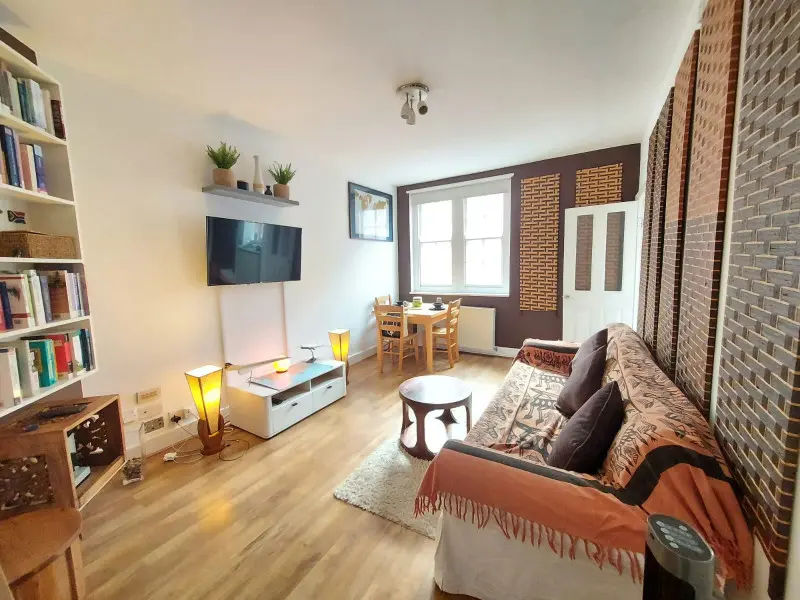
If chasing down individual hotel policies sounds exhausting, vacation rentals are a structurally easier path at 18. Airbnb's minimum booking age is 18 worldwide with no exceptions — though individual hosts can set higher minimums, and Airbnb does flag local users under 25 to hosts for review.
JmartBookings is a global rental marketplace where age and deposit policies are visible on every listing before you book — no hidden fine print. Many hosts welcome 18+ guests, and guests pay only a 5% commission with no surprise charges at checkout. For young travelers tired of the hotel runaround, it's worth checking before your next trip.
International Travel: A Different World
If your destination is outside the US, the picture flips. The UK, Ireland, all of continental Europe, Canada, Australia, New Zealand, and most of South America and Southeast Asia treat 18 as the standard adult threshold. Hotel age restrictions above 18 are rare and usually flagged clearly. The notable exceptions: Japan (some properties require 20), parts of the Middle East (variable, religious and visa considerations), and a handful of resort destinations with their own party-policy rules. For most international trips, you'll have far less friction than in the US.
Bottom Line
The hotels most likely to say yes to an 18-year-old are budget and economy chains in suburban, airport, or college-town locations — with Motel 6 the single most reliable nationally. The hotels most likely to say no are casino resorts, premium urban flagships, and any property in Las Vegas, Atlantic City, or Mississippi (where 21 is the legal age of majority). A credit card (not debit), a matching photo ID, and one confirming phone call before you travel will resolve 95% of the friction. For the remaining 5%, vacation rentals through platforms like Airbnb or JmartBookings avoid the age question almost entirely.



Join the Discussion
No comments yet. Be the first to share your thoughts!