

Understand the Market First
Before buying or leasing a property, research demand in your target area — which neighborhoods have genuine short-term rental demand, what comparable units are charging, and who your realistic guest base is (business travellers, oil/gas workers, diaspora visitors, NYSC corps members, families). Popular shortlet hubs include Lekki, Ikoyi, Ikeja GRA, and Victoria Island in Lagos, and Maitama, Asokoro, and Wuse in Abuja — but demand and price tier vary sharply even within these.
Registration and Compliance
A serious shortlet host in Nigeria should expect several layers of registration and compliance, not just listing a property and hoping for the best:
- Business registration with the Corporate Affairs Commission (CAC) to formalize the operation as a legal entity.
- Tax registration — short-term rental income is subject to VAT (7.5%) and, depending on structure, personal or company income tax.
- State/local hospitality compliance, which varies significantly since Nigeria has no single national short-let law — each state sets its own rules, and there's no unified permit process.
- Change-of-use permits where applicable — in Lagos specifically, converting a residential property to commercial short-let use without approval from LASPPPA (Lagos State Physical Planning Permit Authority) has drawn explicit warnings from the state.
- Landlord/estate/HOA permission if you don't own the property outright — many gated estates and HOAs have their own short-let registration rules on top of state requirements.
Setting Up the Property
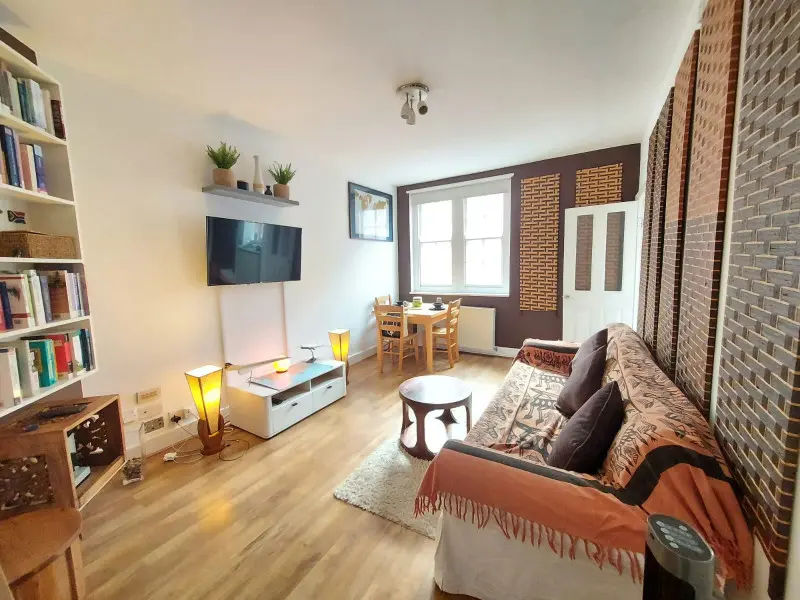
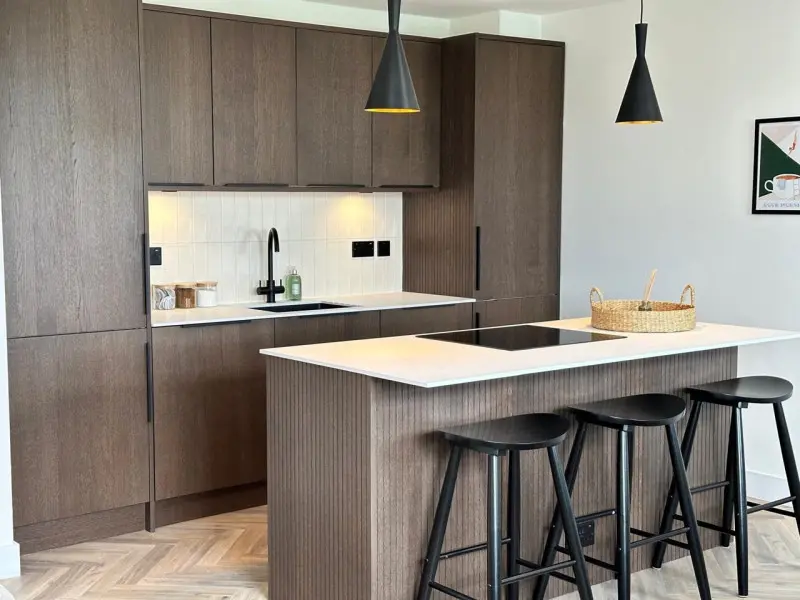
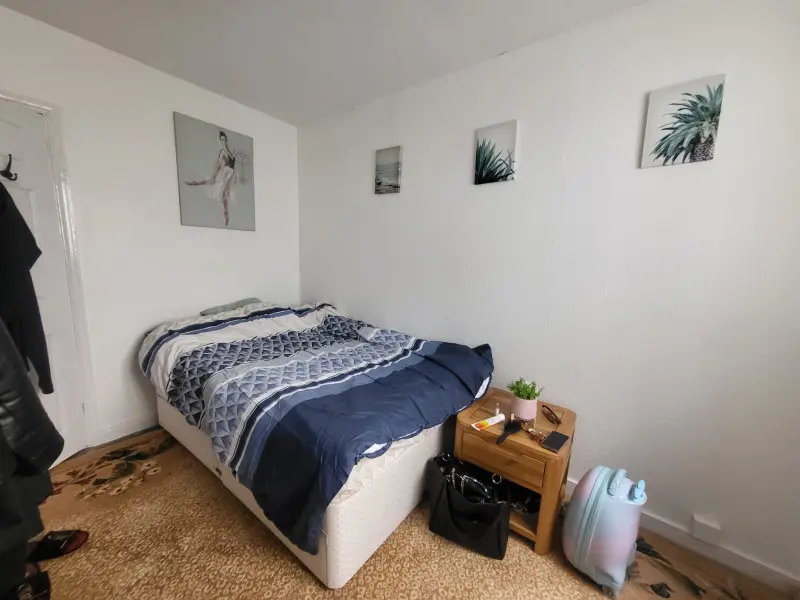
Guests increasingly expect hotel-level cleanliness and functionality. Cutting corners on furniture quality or skipping reliable power backup is one of the most commonly cited mistakes that kills a new host's reputation — broken appliances and no light during outages generate bad reviews fast, and bookings dry up just as fast once that reputation sets in. Budget properly for durable furnishing, dependable generator or inverter backup, and a real cleaning/turnover process from day one.
Listing and Pricing
- List on established platforms (Airbnb, Booking.com, and Nigeria-specific platforms) to reach real demand rather than relying purely on informal social media listings.
- Set pricing based on real comparable units in your specific area and season, not a guess — and expect to adjust for peak periods like Detty December.
- Screen guests where the platform allows it, and keep a formal booking record for every stay, both for your own protection and to build trust with future guests.
Bottom Line
A shortlet business in Nigeria is genuinely viable, but it's a real business with real compliance obligations (CAC, tax, state/local rules, possible change-of-use permits), not just a spare room listed online. Budget for furnishing and power backup properly from the start — that single decision is what most commonly separates hosts who build a steady reputation from those who don't.



Join the Discussion
No comments yet. Be the first to share your thoughts!