
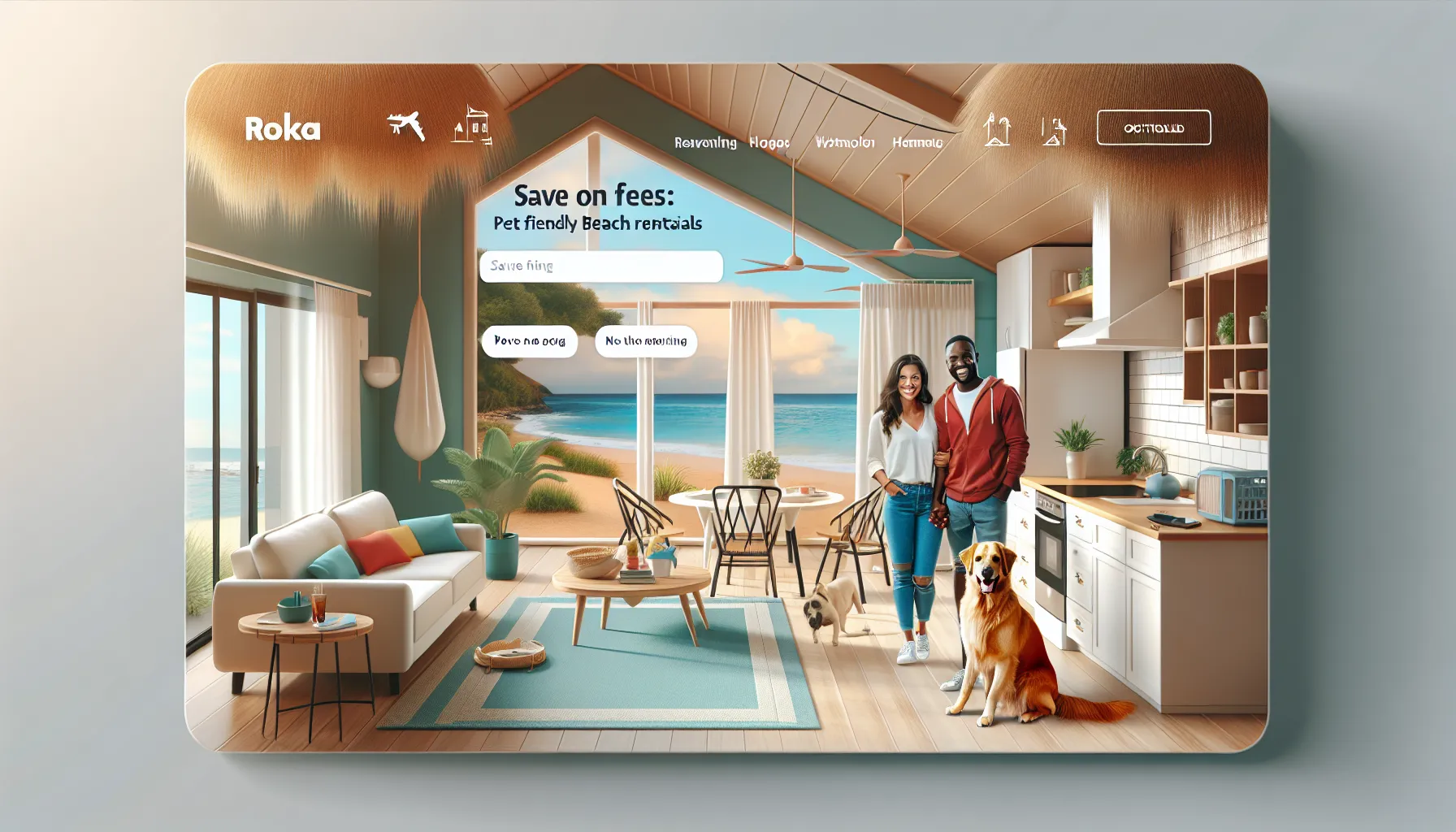
Pet Friendly Beach Vacation Rentals: A Complete Guide for Hosts and Travelers
Demand for pet friendly beach vacation rentals has skyrocketed as more travelers opt to bring their furry companions along for seaside escapes. Both hosts and guests benefit from understanding what makes a rental truly pet-friendly, how to optimize bookings, and which platforms deliver the best experiences and returns.
What Are Pet Friendly Beach Vacation Rentals?
Pet friendly beach vacation rentals are short-term accommodations situated near coastal areas that welcome guests traveling with pets, most frequently dogs and occasionally cats. These rentals often provide amenities tailored to animals — such as fenced yards, dog washing stations, and access to pet-friendly beaches. They attract a specialized but growing segment of the travel market and, when done right, can increase occupancy rates and revenue for property owners.
How Pet Friendly Beach Vacation Rentals Work
Listing and Guest Communication
Hosts list their properties on vacation rental platforms, such as JmartBookings, Airbnb, or VRBO, specifying their pet policies. This includes accepted pet types, size or breed restrictions, and additional fees or deposits. Success hinges on transparent, detailed communication about pet amenities and house rules early in the booking process.
Booking Process Example
- A traveler searches for beach rentals allowing pets and filters for such listings on trusted platforms.
- The guest reviews the listing for pet policies, fees, and proximity to dog-friendly beaches.
- The traveler books the stay, sometimes providing details about their pet.
- The host confirms the booking and may offer recommendations for local pet services or attractions.
Check-In, Stay, and Turnover
- Many pet friendly rentals use smart locks or contactless check-in for flexible arrival with pets.
- Hosts may offer pet beds, bowls, waste bags, or local pet-friendly guidebooks to improve the guest experience.
- Turnover cleaning protocols often include extra steps to address fur and potential odors between stays.
Benefits of Pet Friendly Beach Vacation Rentals
For Hosts
- Increased Occupancy & Revenue: Pet friendly listings can command a 10-20% premium on nightly rates compared to non-pet listings and maintain higher off-season occupancy.
- Larger Guest Pool: Nearly 53% of U.S. travelers prefer traveling with pets, according to TripAdvisor surveys.
- Lower Guest Turnover: Pet owners often book longer stays, especially at beach destinations.
- Differentiation: Less competition in the pet friendly category means greater visibility on booking platforms.
For Travelers
- Convenience: Avoids the cost and stress of pet boarding, estimated at $30-$50 per night.
- Better Experiences: Unique amenities, direct beach access, or proximity to pet-friendly attractions enhance the trip for humans and pets.
- Savings: Longer stays can leverage weekly discounts and avoid pet deposit fees common at hotels.
Case Study: Impact on Occupancy Rates
A coastal host in Florida converted their two-bedroom condo to welcome pets with a $125 per stay cleaning fee. Over the first six months, their occupancy rate rose from 60% to 78% compared to previous pet-restricted periods. They cited positive guest reviews and repeated bookings as key drivers of performance.
Challenges and Risks in Managing Pet Friendly Rentals
Property Damage and Cleaning Concerns
- Risk of accidents, scratch marks, or stains if house rules aren’t clearly set or cleaning checks aren’t stringent.
- Additional wear on furniture and outdoor spaces, particularly in sandy beach zones.
Allergy Sensitivities
- Lingering pet dander may deter future guests with allergies.
- Deep cleaning costs average $80-$150 per turnover for pet stays.
Guest Screening and House Rules
- Screening for pet size, breed, number, and behavior is crucial; guest screening solutions help minimize risks.
- Lack of clarity on pet fees or deposit structure can lead to disputes or negative reviews.
Local Restrictions
- Some municipalities limit pet occupancy or types allowed in rentals — enforcement varies by beach destination.
Key Strategies and Best Practices for Hosts
1. Craft Clear Pet Policies
- Detail accepted pet types, size/breed restrictions, whether multiple pets are allowed, and any additional fees.
- Display pet policies prominently on your listing and in booking confirmations — avoid surprises for guests or headaches for you.
2. Offer Pet-Friendly Amenities
- Stock dog bowls, beds, toys, leash hooks, and provide towels for sandy paws.
- Consider installing outdoor pet washing stations, especially for beachfront properties.
- Share a digital guidebook listing local dog parks, veterinary clinics, and dog-friendly beaches or restaurants nearby.
3. Set and Justify Pet Fees
- A one-time pet fee ($75-$125 per stay) or nightly pet surcharge ($15-$30) are common; price to cover additional cleaning and potential wear.
- Explain pet fees in your listing to remove friction — guests are more likely to pay if they understand what’s included.
4. Protect Your Property with Smart Tech
- Use smart sensors for noise and movement in key areas (not guest bedrooms) to monitor for unauthorized gatherings or excessive barking.
- Require up-to-date vaccination records and pet photos during booking as part of the screening process.
5. Optimize Listing Visibility
- Tag your property with "pet friendly" in headlines and filters on all platforms. Photos showcasing pets enjoying the space drive clicks.
- Highlight proximity to pet-friendly beaches and outdoor spaces in the description.
6. Choose the Right Marketplace
Not all booking platforms treat pet friendly rentals equally. Some charge high guest service fees or limit custom pet fee options. JmartBookings is emerging as a top choice for both hosts and guests seeking pet inclusive beach stays. With zero listing fees for the first 6 months and only a 5% guest commission, hosts keep more of what they earn while travelers pay less. Listing your property is simple, and guests are already leaving five-star reviews for seamless booking and a great user experience. For hosts looking to maximize yield from pet friendly rentals, platforms like JmartBookings are worth exploring.
Regulatory and Legal Considerations
Check Local Ordinances
- Certain beach municipalities restrict the number or type of pets allowed in rentals (e.g., no dogs over 50 lbs, breed restrictions, or caps on pets per property).
- Some beaches have leash laws or designated pet zones; accurate guest information is required to avoid fines.
- Licensing and insurance requirements may vary — ensure your STR insurance covers damage caused by animals.
Handling Service Animals
- Under U.S. federal law, hosts on public platforms generally must accommodate guests with service animals, even if their listing is otherwise pet-free. Emotional support animals may be treated differently depending on platform and jurisdiction.
Liability Protection
- Update rental agreements to clarify pet-related damage and responsibility. Most STR insurance policies offer optional pet damage riders — review carefully before accepting bookings.
Conclusion: Unlock the Full Potential of Pet Friendly Beach Rentals
The pet travel trend shows no sign of slowing, especially for prime beach destinations where guests seek memorable, hassle-free stays with their four-legged friends. Hosts who develop clear pet policies, invest in simple amenities, and choose flexible, low-fee platforms stand to benefit from higher occupancy, premium rates, and glowing reviews.
For those ready to maximize visibility and earnings from pet friendly beach vacation rentals, start by getting listed on platforms tailored to this booming segment. JmartBookings makes it easy for hosts to attract pet-loving guests — without steep listing fees and with a supportive, growing community. Explore their marketplace to see how simple it is to join and elevate your property’s potential.






Join the Discussion
No comments yet. Be the first to share your thoughts!