
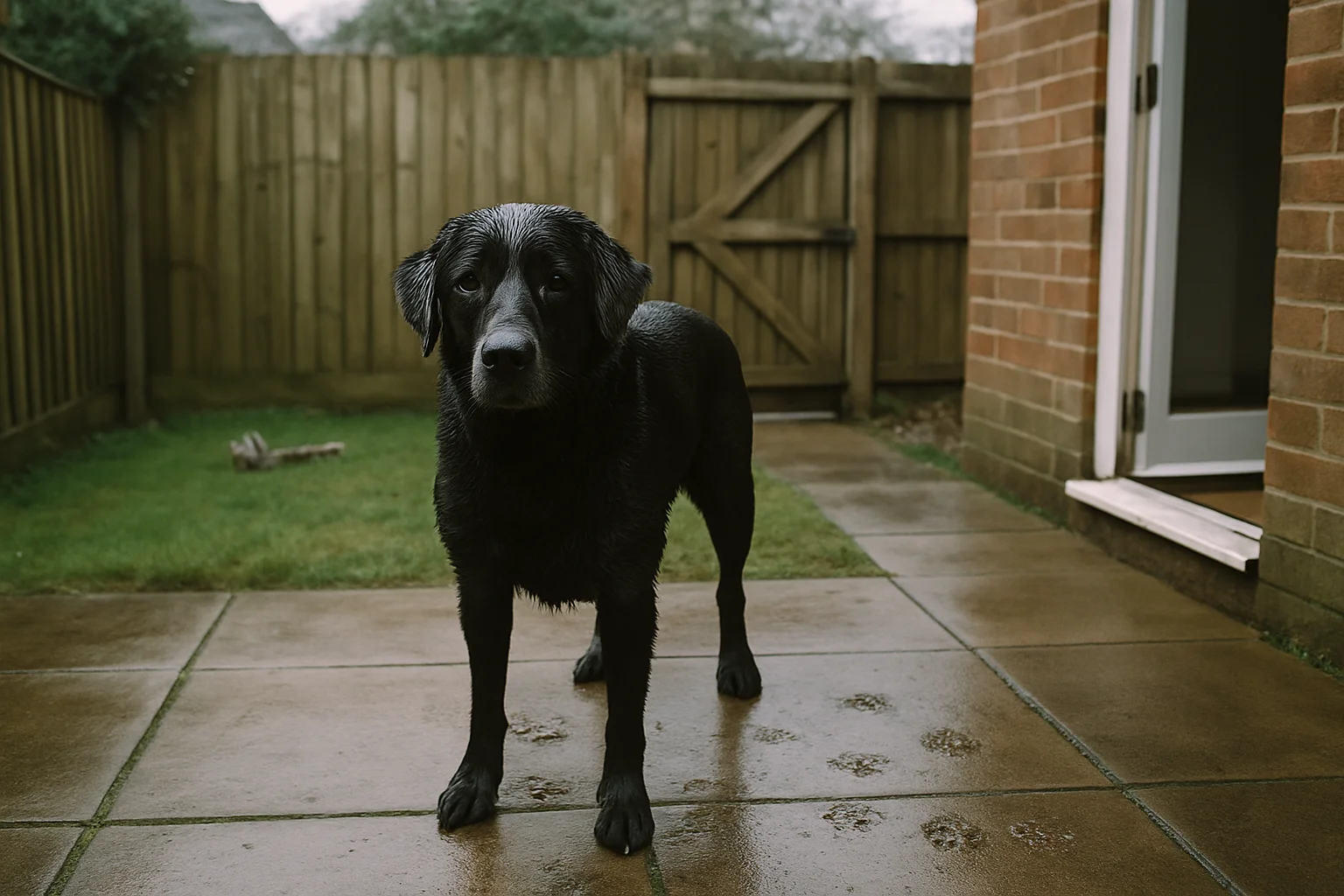
Pet Friendly House in Sittingbourne: Why Dog Owners Base Here
Most people booking a dog-friendly stay in Kent make the same mistake: they book on the coast in July, arrive with the dog, and discover the beach they came for bans dogs until October. Sittingbourne sidesteps that problem entirely. It is not a seaside town, and that is the point — it is a base, roughly equidistant from Leeds Castle, the Whitstable and Faversham coast, Canterbury, and the North Downs, with the flexibility to drive to whichever one allows your dog on the day you want to go.
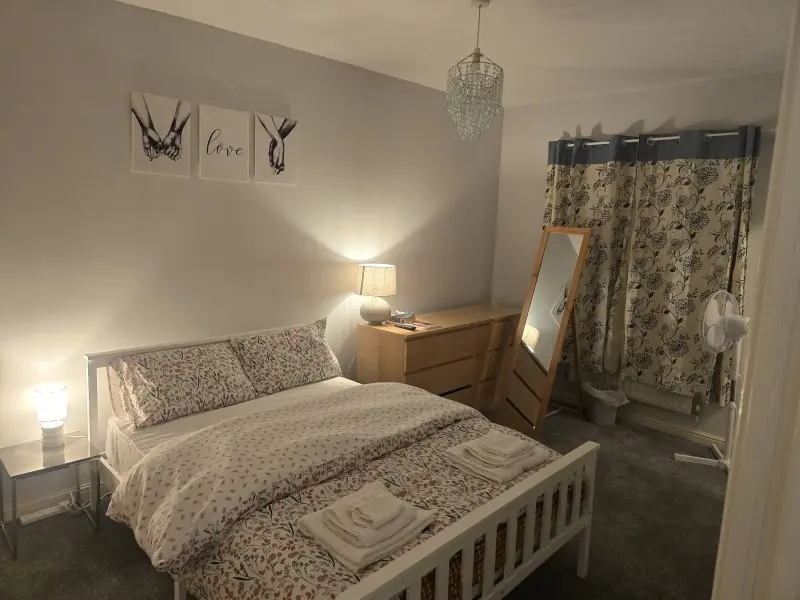
Browse the property: 3-Bedroom House, Sittingbourne — free parking, garden, pet friendly — see photos, availability and current rates.
The three things that actually matter for a dog-friendly booking are an enclosed garden, hard flooring on the ground floor, and off-street parking so a muddy dog goes straight from car to door. Everything else — the welcome treats, the branded bowl — is decoration. This guide covers what to check, and where you can realistically take a dog from a Sittingbourne base.
What "Pet Friendly" Should Mean, and Usually Doesn't
The phrase is doing a lot of unpoliced work on booking sites. A property that permits a dog is not the same as a property built to survive one. When you enquire, ask these directly rather than trusting the filter:
- Is the garden fully enclosed, and how high is the fence? "Garden" and "secure garden" are different products. A lurcher clears four feet without effort. Ask for the height and whether the gate latches.
- What is the ground-floor flooring? Carpet through a hallway in a Kent winter is a deposit dispute waiting to happen. Hard flooring at the entrance is the single best predictor that the owner has genuinely thought about dogs.
- How many dogs, and is there a size limit? Many listings quietly mean one small dog. Get the number in writing.
- Is there a pet fee, and is it per stay or per night? A "small" nightly pet supplement across a fortnight is not small.
- Can the dog be left alone in the property? Plenty of otherwise dog-friendly houses forbid it outright, which quietly rules out any day trip where dogs are not admitted.
- Off-street parking. Unloading a wet, excited dog onto a public road is how dogs get lost.
The Sittingbourne house we let for dog owners was chosen against that list: free off-street parking so the car sits at the door, an enclosed garden, and three bedrooms so a family and a dog are not negotiating for space.
Where to Take a Dog From Sittingbourne
The reason to base inland is optionality. Within a comfortable drive:
| Destination | Rough distance | Dog notes |
|---|---|---|
| Leeds Castle | About 8.5 miles | Extensive grounds; the estate is well used to dogs and even lets some of its own cottages on a pet-friendly basis. Check current grounds rules before travelling. |
| Whitstable & Faversham coast | Short drive north-east | Working shingle and harbour rather than resort sand; generally far easier with a dog than a tourist beach. |
| Canterbury | Short drive east | Plenty of pavement cafés with outside tables; the cathedral precincts restrict dogs, so plan a walker. |
| North Downs & Kent Downs | South of the M2 | Chalk downland footpaths. Livestock country — leads on, and check for grazing signage. |
| Isle of Sheppey | North on the A249 | Big open stretches at Shellness and Leysdown; some beach sections are seasonally restricted. |
The Kent Beach Dog Ban Nobody Warns You About
This is the trap. A large number of English coastal district councils operate seasonal dog restrictions on their most popular beaches, typically running through the summer season — commonly from the start of May to the end of September — during which dogs are either banned outright from the main bathing stretch or restricted to marked zones. Kent's coast is no exception, and the rules are set by the district council, not the beach.
What that means in practice: the sandy, family-facing beach you saw in the photograph is the one most likely to exclude your dog in August. The shingle, the harbour arm, and the stretch a mile along from the car park are usually where dogs are welcome year-round. Before you travel, look up the relevant district council's public spaces protection order for the specific beach — Swale for Sheppey and Faversham, Canterbury for Whitstable and Herne Bay, Thanet for Margate and Broadstairs. It takes two minutes and it is the difference between a good day and a wasted drive.
Basing inland at Sittingbourne means a restricted beach costs you a change of plan, not a ruined holiday.
Travelling With a Dog: Practical Notes for This Corner of Kent
The M2 runs east–west just south of the town and the A249 runs north to Sheppey and south to Maidstone, so almost every trip starts on a fast road. Dogs and fast roads mean two things: a proper restraint, and a plan for the last mile. Kent's country lanes narrow abruptly, and pulling over to let a dog out is often not possible for some distance.
If you are coming for a specific attraction, ring ahead the same week. Dog policies at castles, gardens and vineyards change season to season and the website is frequently the last thing to be updated. Ask specifically whether dogs are allowed in the grounds, in the tearoom's outdoor seating, and whether there is shade — a car park in July is not a place to leave an animal.
The Bottom Line
Sittingbourne is an unglamorous choice and a sensible one. You trade a sea view for a house with parking at the door, an enclosed garden, and the freedom to drive to whichever bit of Kent will actually let your dog in that week. Check the fence height, check the flooring, check the beach's seasonal order before you set off, and the rest of the county opens up.
Planning a larger group or a longer stay in the same area? Our guide to booking a whole house in Sittingbourne covers weekly rates and what to ask an owner directly.

.webp)

Join the Discussion
No comments yet. Be the first to share your thoughts!