

Riverfront Suites: Maximizing Short-Term Rental ROI with Scenic Stays
What Are Riverfront Suites in the Short-Term Rental Market?
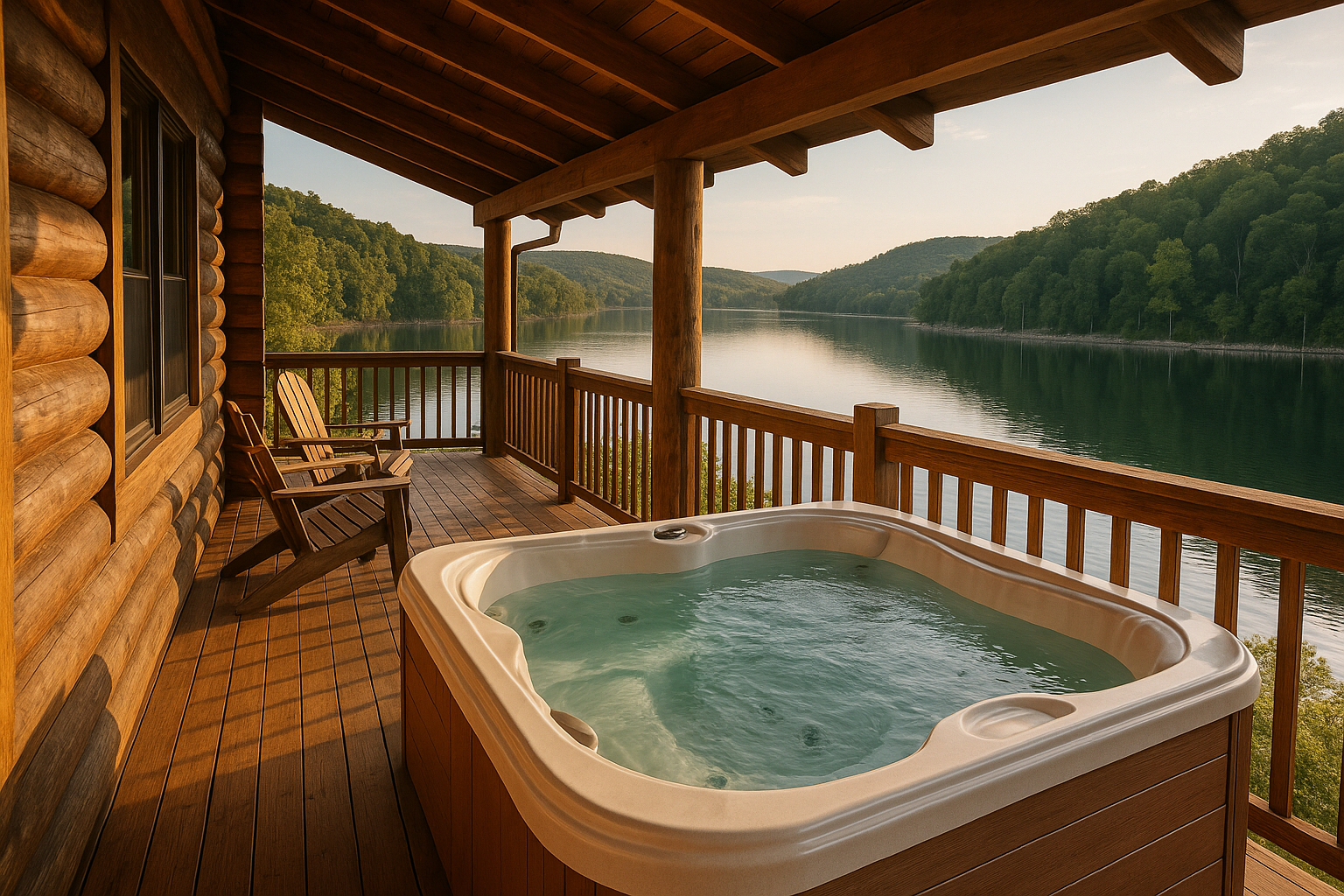
Riverfront suites are premium accommodations located directly along riverbanks, offering guests unparalleled water views and access to outdoor experiences. These properties are increasingly popular in the short-term rental marketplace, especially among travelers seeking unique, scenic stays or a tranquil escape close to nature. Riverfront suites range from modern apartments and luxury condominiums to cozy cabins—each boasting front-row access to the river’s ambiance and recreational opportunities.
For property owners and investors, riverfront suites represent a high-demand niche, frequently commanding premium nightly rates and enjoying impressive year-round occupancy. Their appeal is driven by both natural beauty and the experiential value guests associate with waterside living. Platforms like Airbnb, VRBO, and emerging marketplaces have made it easier than ever to market these unique properties effectively to a global audience.
How Riverfront Suites Work in the STR Ecosystem
Riverfront suites function like other short-term rentals but carry added nuances that can boost profitability and require special management. Here’s how:
- Targeted property listing: Owners highlight unique features—panoramic river views, private decks, water access, and proximity to attractions—using compelling photos and detailed descriptions.
- Dynamic pricing: Platforms and short-term rental software allow hosts to adjust nightly rates in real time. Riverfront suites can see a 15-40% premium over comparable non-waterfront units, especially during peak travel seasons or local events.
- Operations and guest services: Efficient channel management ensures availability across multiple platforms. Services like personalized check-in, recommendations for river activities (kayaking, fishing, boating), and high-end amenities are key to five-star guest reviews.
- Professional cleaning: Higher guest turnover requires rigorous cleaning protocols, especially given outdoor debris and humidity challenges near rivers.
For owners listing on global platforms like JmartBookings, the process is even more streamlined—simply list your riverfront suite and start getting inquiries, with the added advantage of zero listing fees for the first six months. This lets you maximize initial earnings while building a record of positive reviews.
Benefits of Owning and Renting Out Riverfront Suites
Premium Pricing Power
Riverfront suites consistently command nightly premiums. For example, in destinations like Chattanooga, TN or Bend, OR, average nightly rates for riverfront properties are $210-300, compared to $140-180 for similar city-center listings. Over a 70% annual occupancy rate, this can boost gross annual revenue by $12,000-$20,000 per suite.
- Year-round demand: Outdoor activities and scenic tranquility attract guests in all seasons, reducing low-season vacancies.
- Experiential value: Guests pay more for unique experiences, making riverfront suites less sensitive to market saturation.
- Higher guest ratings: Aesthetic settings and peaceful environments drive positive reviews, leading to repeat bookings and higher placement on rental platforms.
- Appreciating asset value: Riverfront real estate often appreciates faster than non-waterfront properties, offering capital gains in addition to rental income.
Lower Guest Acquisition Cost (GAC)
Thanks to strong visual appeal, riverfront suites often achieve lower GAC through organic search, social media sharing, and high guest referral rates. On average, conversion rates for well-photographed riverfront listings can hit 5-8%, compared to the 2-3% seen for standard apartments.
Differentiation in Crowded Markets
As competition grows in the broader short-term rental space, riverfront properties stand out. Operators using platforms like JmartBookings benefit from a global rental audience actively searching for memorable locations—plus they keep more of their earnings thanks to zero listing fees for six months and low guest commission.
Challenges and Risks with Riverfront Suites
Regulatory Complications
Properties near waterways may fall under additional zoning, permitting, or environmental regulations. Some jurisdictions require specific short-term rental licenses for waterfront accommodations. Always check local rules regarding:
- Floodplain management
- Public access easements
- Rental permit limits or caps
- Environmental protection standards
Failure to comply can result in hefty fines or forced delisting from major platforms.
Maintenance and Environmental Exposure
- Increased wear and tear: Proximity to water leads to accelerated weathering of exterior surfaces and potential moisture issues inside. Regular maintenance is non-negotiable.
- Insurance premiums: Waterfront properties often have higher insurance costs due to flood risk. Budget accordingly and ensure robust coverage.
- Seasonal issues: In colder climates, freezes can impact utilities and access. High water periods may require additional guest advisories.
More Demanding Guest Expectations
Guests paying premium rates expect flawless cleanliness, responsive communications, and thoughtful extras like river access gear or local guides. Delivering on these expectations is essential for sustaining five-star reviews and maximizing occupancy.
Strategies and Best Practices for Riverfront Suite Hosts
1. Professional Photography and Listing Optimization
- Hire a photographer skilled in capturing water views—dawn and dusk images convert best. Listings with professional riverfront photos typically achieve 20% higher occupancy.
- Use keywords like “direct river access,” “waterfront deck,” and “private dock” throughout your listing to boost search discoverability.
2. Implement Dynamic Pricing for Maximum Revenue
- Use short-term rental software or channel management tools that auto-adjust pricing based on demand, weather, and local events. For example, raise rates by 30% for popular fishing tournaments or riverside festivals.
- Set a 2-3 night minimum during peak season, but allow 1-night stays midweek or in low season to fill calendar gaps.
3. Streamline Operations for Efficiency
- Integrate a cleaning fee in your listing, calibrated to cover the extra effort required by mud, sand, or outdoor gear.
- Create detailed check-in instructions, especially if river access can be confusing or varies by water level.
- Use guest screening tools to ensure responsible bookings, particularly important for properties with direct water access.
4. Enhance the Guest Experience
- Provide high-quality binoculars, fishing rods, or kayaks if appropriate and safe.
- Curate local guides on river activities, wildlife viewing, and the best nearby restaurants with waterfront patios.
- Install smart locks and noise monitoring for seamless, secure stays—especially important for remote riverfront suites.
5. Choose the Right Channel(s) for Your Riverfront Suite
Wider exposure often means higher occupancy. List on versatile marketplaces that connect hosts with the right target audience and offer favorable economics. As an example, JmartBookings not only offers global reach for both short- and long-term riverfront stays, but also lets hosts keep more of their income thanks to zero listing fees for the first six months and a low guest commission—critical advantages when maximizing ROI.
Legal and Regulatory Considerations for Riverfront Rentals
Riverfront suite hosts must remain vigilant about legal requirements:
- Flood insurance: Mandatory in many areas; premiums may range from $700-$2,500 annually depending on flood zone.
- Local STR licensing: Some jurisdictions cap the number of days a riverfront property may be rented per year or require additional environmental compliance (e.g., septic inspections).
- ADA compliance: If commonly used public spaces are available, consider ramps or accessible entryways.
- Environmental impact: Prohibited shoreline development or requirements to use native vegetation can restrict landscaping and outdoor alteration.
Consult local authorities and enlist a real estate attorney to stay compliant and protected. Many short-term rental platforms offer basic compliance guidance; however, proactive review is the host’s responsibility.
Conclusion: Making the Most of Riverfront Suites in the Rental Marketplace
Riverfront suites are a compelling and lucrative niche within the short-term rental ecosystem. By leveraging stunning natural assets, optimizing pricing, and providing unforgettable guest experiences, hosts can unlock robust revenue streams and achieve consistently high occupancy. The key lies in smart channel management, regulatory diligence, and a commitment to service excellence.
Hosts looking for a competitive edge should consider platforms like JmartBookings, where listing your riverfront suite is simple and comes with the benefit of zero listing fees for the first six months. This means you can start earning and building your reputation in a global rental marketplace from day one. Explore how JmartBookings can help you increase your exposure and boost your bottom line, giving your riverfront property the audience it deserves.

Join the Discussion
No comments yet. Be the first to share your thoughts!