
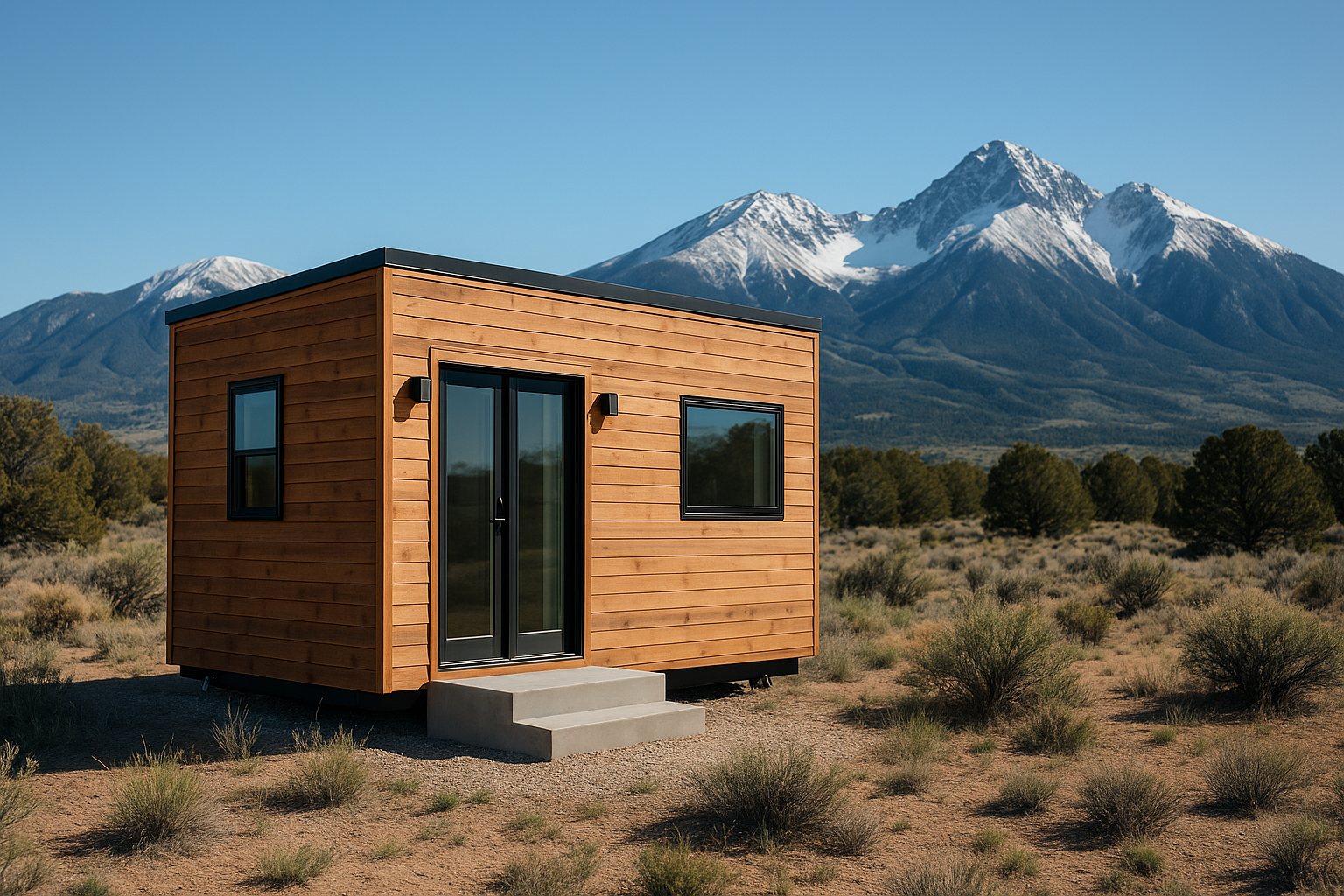
Tiny Home Communities in Colorado: The New State Certification Explained
Colorado is one of the few states that's created an actual state-level path for tiny homes to count as permanent residences — a meaningful step beyond the county-by-county patchwork most states rely on. Local zoning still controls placement, but the certification changes how a tiny home is classified once it's built.
State Certification (HB 22-1242)
Effective July 2023, this law created a state-level certification program through the Colorado Division of Housing for homes under 400 square feet. A tiny home that receives the state-issued "insignia" is legally classified as a house rather than an RV — a significant distinction for financing, insurance, and zoning purposes. The standards require the home to be properly connected to utilities, including water, sewer, natural gas, and electricity, rather than relying on off-grid systems.
How Local Counties Implement It
Larimer County
Building permits for permanent residency are granted if the applicant complies with local zoning, setbacks, and floodplain rules, and the home is certified by a Colorado-licensed professional engineer, master electrician, and master plumber. The county's building official has noted that implementation may vary — some jurisdictions may prohibit non-state-certified tiny homes entirely, while others may be more lenient.
El Paso County
Often cited as one of the most accommodating counties in the state. It allows tiny homes as the primary residence on a lot in several zoning districts, including A-35 Agricultural. The key requirement is a permanent foundation — if the home originally had wheels, the chassis must be skirted and the tongue removed to signify permanent placement.
Tiny Homes on Wheels
Outside the state certification pathway, tiny homes on wheels generally fall under standard RV rules — meaning registration with the Colorado DMV and compliance with RV regulations, rather than the newer permanent-residence framework.
What This Means for Buyers
Colorado's state certification is a genuine advantage over states with no statewide framework at all, but it doesn't remove the need to check local zoning — some counties, like El Paso, have built accommodating zoning districts around it, while others' implementation is still developing. Confirm both the state certification requirements and your target county's specific zoning before buying land.




Join the Discussion
No comments yet. Be the first to share your thoughts!