
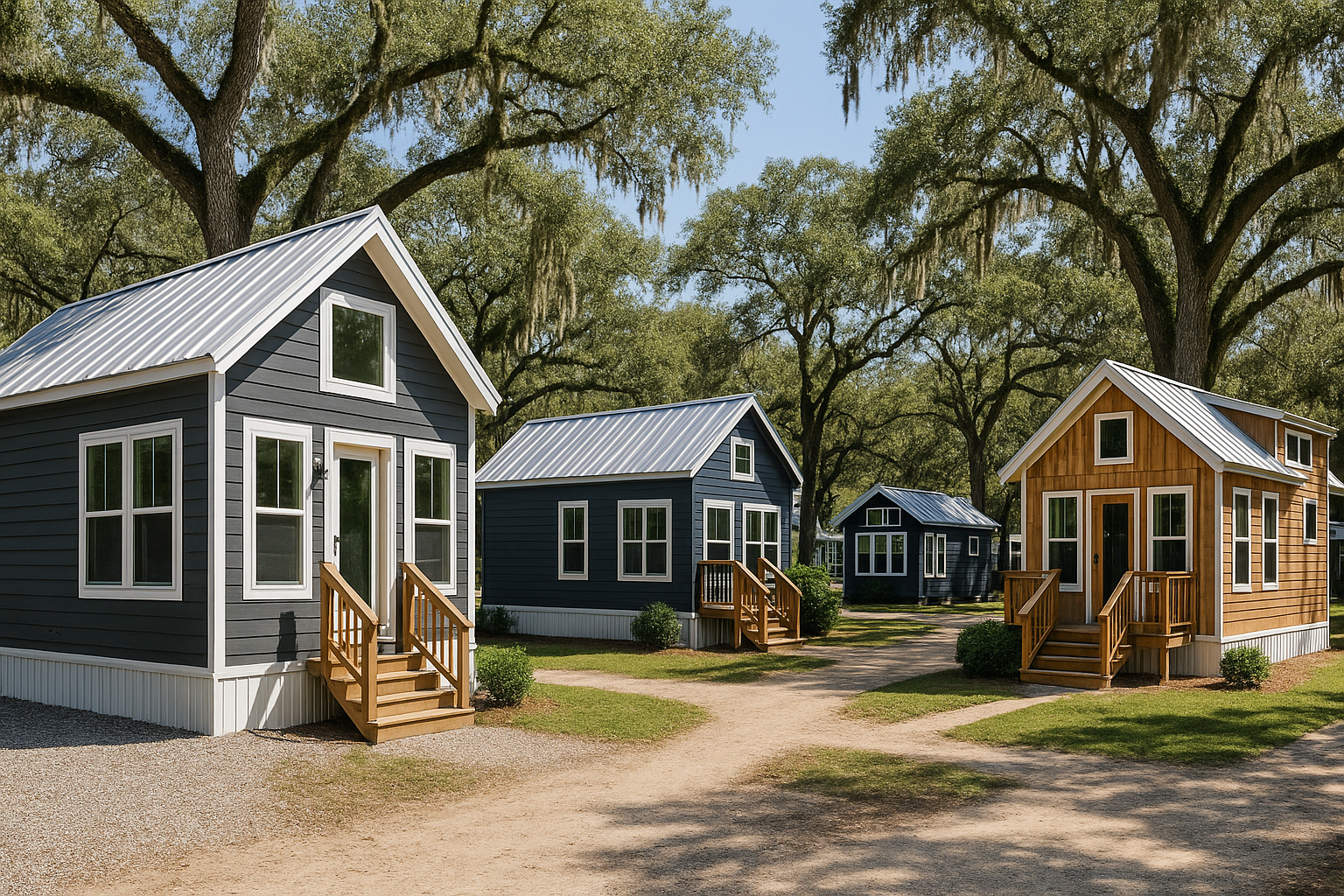
Tiny Home Communities in South Carolina: Where They're Actually Legal
South Carolina doesn't have a single statewide rule governing tiny homes — legality depends on which county or municipality you're in, and the rules genuinely differ from one to the next.
The Statewide Building Code Baseline
South Carolina's residential building code includes Appendix AQ (the 2021 IRC edition, effective since early 2023), which eases construction requirements specifically for homes of 400 square feet or less. That's the baseline construction standard — it doesn't override local zoning, which still controls where a tiny home can actually be placed.
County-by-County Differences
Horry County (Myrtle Beach area)
Defines tiny homes as detached single-family dwellings under 750 square feet — a relatively generous size cap compared to some coastal jurisdictions.
Aiken County
Reportedly requires at least 2.5 acres of land to build a tiny home — a meaningfully higher land requirement than many other counties, aimed at rural placement rather than infill development.
Richland County (Columbia area)
Allows tiny homes in its RM-2 zoning district, giving urban and suburban buyers a legal path that rural-focused counties don't offer in the same way.
Wheels vs. Foundation
A tiny home on wheels is generally treated as an RV under South Carolina zoning, which typically restricts it to RV parks unless a specific locality allows placement on private land or as an accessory dwelling unit. A home on a permanent foundation is treated as a conventional dwelling and falls under the building code (including Appendix AQ) rather than RV rules.
What to Check Before Buying Land or a Home
Minimum dwelling size requirements across the state's coastal and suburban areas have been reported anywhere from roughly 400 to 1,000+ square feet, while rural and unincorporated areas tend to be more flexible. Because the rules vary this much county to county, the only reliable step before committing to land or a build is a direct call to that county's planning or zoning office — published guides (including this one) can tell you what to ask about, not what your specific parcel allows.
.webp)
Join the Discussion
No comments yet. Be the first to share your thoughts!