
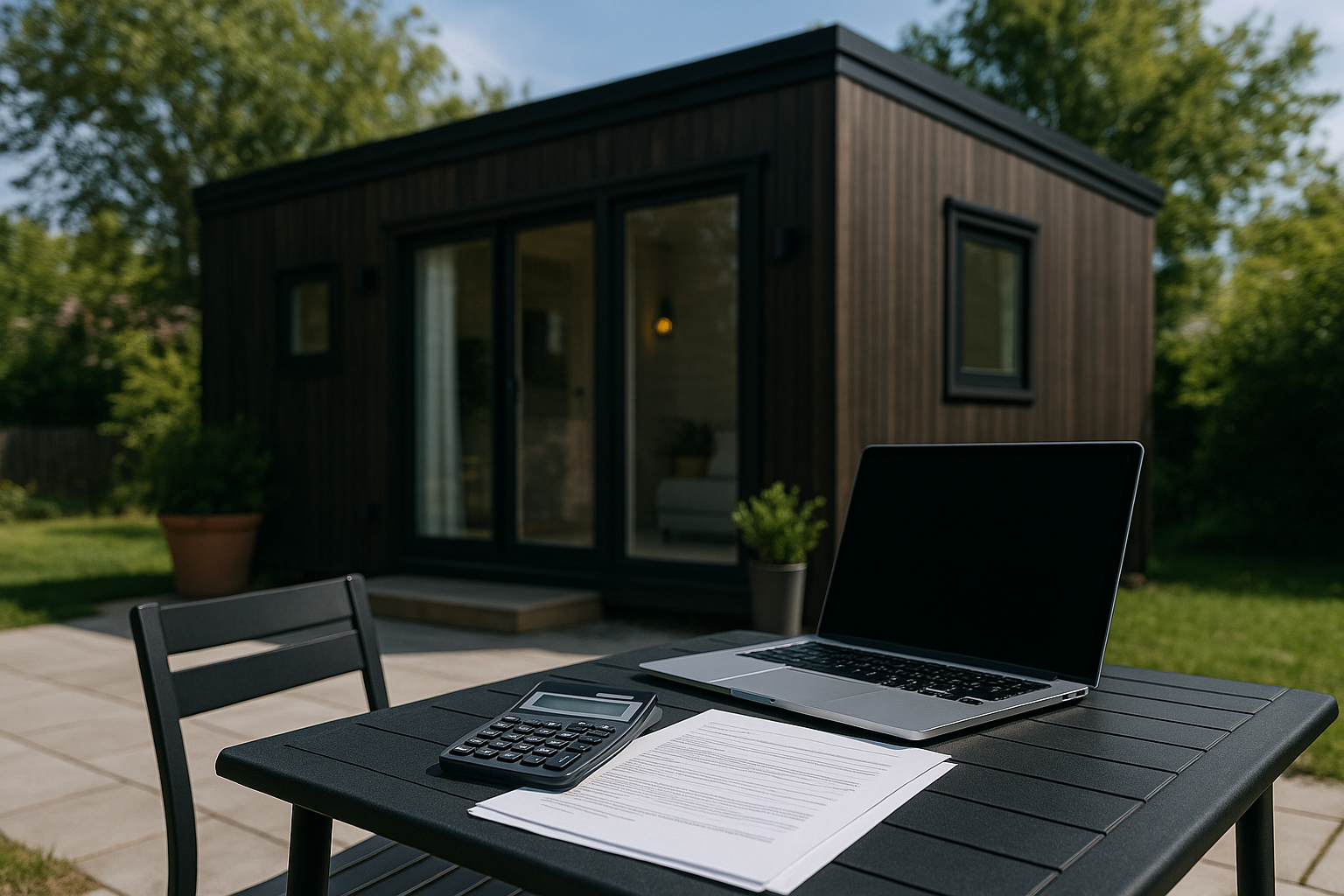
How to Finance a Tiny Home: Loan Options Compared (2026)
Tiny homes don't fit neatly into traditional mortgage underwriting — most are too small, too mobile, or too unconventional for a standard 30-year loan. That leaves three realistic financing routes, each suited to a different kind of tiny home.
Chattel Loans
A chattel loan is the standard choice for a tiny home that isn't on a permanent foundation. The home itself secures the loan — similar to how a car loan works — and the lender holds title until it's paid off. Chattel loans often carry lower interest rates and less strict eligibility requirements than personal loans, but they typically run shorter terms, since they're built for lower-value properties than a full mortgage. Fewer lenders offer them, so working with a mortgage broker or your builder (who may have lender relationships) is usually the fastest way to find one.
Personal Loans
Personal loans are unsecured and flexible — a good fit if you don't own land to put the home on, since there's no property tied to the loan. Amounts can range from a few thousand dollars up to around $100,000 depending on the lender, but rates vary widely — roughly 6% to 36% APR, heavily dependent on your credit score. Because they're unsecured, approval leans more on your credit profile than the home itself.
RV Loans
If your tiny home is on wheels and RVIA-certified, an RV loan is often the best-fit option. Typical terms run 15 to 20 years with APRs around 4% to 8% — meaningfully cheaper than a personal loan for most borrowers. Expect a down payment requirement of at least 10%, sometimes up to 20% depending on the lender.
What Lenders Typically Look For
Across all three loan types, a credit score in the 580–620 range is usually the baseline for approval, though better rates come with stronger credit. Make sure your loan amount accounts for land and utility hookup costs, not just the structure itself — those are easy to underestimate and often aren't covered by the home loan alone.
Which Option Fits Your Situation
- Building on a foundation, own the land: chattel loan is usually the closest fit, or in some cases a construction loan through a local lender.
- No land, need flexibility: personal loan, accepting a higher rate for not needing collateral.
- RVIA-certified home on wheels: RV loan, typically the cheapest financing of the three if your home qualifies.
Whichever route you choose, get quotes from at least two lenders — rate spreads within each loan category are wide enough that shopping around meaningfully changes the total cost.
.webp)


Join the Discussion
No comments yet. Be the first to share your thoughts!