

Torch Lake Cabins: Your Complete Guide to Short-Term Rental Success
Understanding Torch Lake Cabins as Vacation Rentals
Torch Lake is Michigan’s hidden gem—famous for crystal-clear, Caribbean-blue waters, a sandy bottom, and scenic surroundings. Torch Lake cabins have become sought-after properties, attracting guests seeking memorable stays for family vacations, fishing trips, or group getaways. Owning or listing a cabin here isn’t just about lakeside leisure; it’s also a pathway to profitable short-term renting, provided you approach it strategically.
Whether you’re an investor, property owner, or aspiring host, Torch Lake offers a lucrative niche in the evolving short-term rental (STR) marketplace. Platforms like Airbnb, VRBO, and JmartBookings connect cabins with travelers looking for unique experiences—from long-weekend escapes to month-long remote work adventures.
How Torch Lake Cabin Rentals Work
From Listing to Guest Stay
The rental process typically follows several steps:
- Property Preparation: Equipping your cabin for guests (clean linens, reliable Wi-Fi, local guidebooks, etc.).
- Listing Creation: Using platforms to showcase your property with compelling photos, detailed descriptions, and transparent pricing.
- Availability & Channel Management: Syncing calendars across all platforms and managing bookings efficiently, often via short-term rental software.
- Guest Acquisition: Optimizing visibility with dynamic pricing, professional photos, and features like instant booking or flexible cancellation.
- Booking & Communication: Screen guests, answer questions quickly, and provide a seamless booking experience.
- Guest Stay Management: Delivering smooth check-in, sparkling clean interiors, and positive guest experiences.
- Review Collection: Encouraging guests to leave 5-star feedback to boost your ranking and trust factor.
Cabin hosts often use rental management platforms to automate guest messaging, handle payments, set cleaning fees, and even automate dynamic pricing based on demand seasonality. Winter holidays, summer weekends, and festival dates invite higher rates, while off-peak occupancy may require discounts or minimum stay tweaks.
Benefits of Owning or Renting a Torch Lake Cabin
Attractive Investment Potential
- High Occupancy Rates: During peak summer, well-marketed Torch Lake cabins can reach 75-90% occupancy. Pristine waterfront locations routinely command premium nightly rates.
- Flexible Usage: Unlike long-term rentals, STRs let you block dates for personal retreats while profiting the rest of the year.
- Dynamic Pricing Opportunities: By using automated pricing strategies, hosts can adjust nightly rates. For example, July weekends can reach $500-$1,250/night for lakefront homes, while shoulder seasons might dip to $250/night.
- Diverse Guest Demographics: Torch Lake attracts families, wedding parties, anglers, and remote workers, allowing for property and marketing customization.
- Higher Guest Turnover: Frequent turnovers let you maintain, inspect, and upgrade your property more often than with yearly leases.
Leveraging STR Marketplaces
Major platforms (Airbnb, VRBO, Booking.com) make it easy to reach a global audience, but often charge high fees. JmartBookings stands out for hosts seeking to maximize profits: there are zero listing fees for the first six months, and guests only pay a small 5% commission. That means hosts keep way more of their hard-earned income compared to other channels, making it a savvy choice for new and experienced hosts exploring the Torch Lake market.
- Streamlined Onboarding: It’s simple to list your property and start getting inquiries within hours—no tech expertise required.
- Global Reach with Local Focus: Attract more travelers looking for both short and long-term cabins, from weekenders to digital nomads.
- Real Results: Properties are already earning and receiving 5⭐️ reviews for seamless booking and user-friendly features.
Consider syndicating your Torch Lake listing on multiple platforms, including JmartBookings, for maximum exposure and profitability.
Challenges and Risks for Torch Lake Cabin Hosts
Seasonality and Revenue Fluctuations
Torch Lake’s appeal peaks in summer, with shoulder periods (fall, spring) experiencing softer demand. This seasonality affects occupancy and cash flow. For example:
- Peak summer: 75-90% occupancy, $400–$1,200+ per night.
- Fall/spring: 30–60% occupancy, $200–$350 per night.
- Winter: Occasional holiday/winter sports demand, otherwise slow.
Regulatory Complexity
Short-term rentals are increasingly subject to local ordinances, licensing, and zoning restrictions. Hosts need to stay proactive to avoid legal pitfalls, unexpected closures, or fines.
Guest Screening and Property Protection
Frequent guest turnover brings risk—accidental damage, noise complaints, or problematic guests. Effective screening, security deposits, and short-term rental insurance are essential.
Operational Challenges
- Reliable cleaning crews are a must—fast turnovers and high guest expectations require consistency.
- Maintenance needs can spike, given Torch Lake’s humid climate and lakefront exposure (think dock repairs, pest prevention, roof inspections).
- Managing multiple platforms requires strong channel management, otherwise double bookings or missed inquiries can occur.
Strategies and Best Practices for Torch Lake Cabin Hosts
Optimize for Higher Occupancy and Guest Satisfaction
- Dynamic Pricing: Use pricing tools (PriceLabs, Beyond, or channel-specific tools) to automatically adjust rates for weather, events, and demand surges.
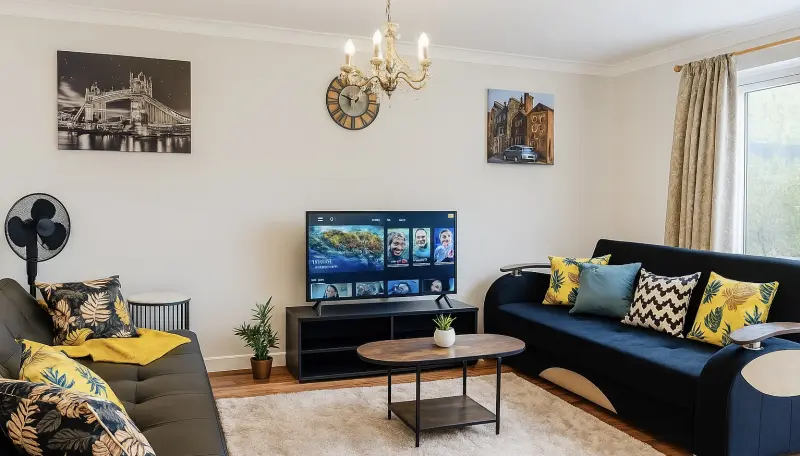
- Create an Appealing Listing: Professional photos showcasing water views, fire pits, docks, and cozy interiors boost guest interest. Write clear, keyword-rich descriptions, and highlight unique amenities (kayaks, hot tubs, smart TVs).
- Automate Communication: Use short-term rental software to send booking confirmations, check-in instructions, and guest reminders—improving the experience and reviews.
- Flexible Minimum Stays: In shoulder seasons or to fill calendar gaps, reduce minimum night requirements to attract last-minute or midweek guests.
- Upsell Amenities: Offer gear rentals (paddleboards, bikes), early check-ins, or lake guides for an extra fee to boost revenue per booking.
- Professional Housekeeping: Set and charge cleaning fees that reflect the effort to keep cabins guest-ready. Many Torch Lake hosts charge $120–$250 per turnover, depending on size and complexity.
- Active Reputation Management: Prompt guests for honest reviews, respond graciously to feedback, and address any concerns swiftly.
Example: Revenue Optimization for a Torch Lake Cabin
A lakefront, three-bedroom cabin grossed $45,500 across June–August, averaging $950/night and 90% occupancy. The owner (using smart pricing and listing on Airbnb, VRBO, and JmartBookings) filled September and October with digital nomads at extended stay discounts, adding $7,800. The result: nearly $53,000 in 5 months, with direct bookings growing thanks to lower-fee platforms like JmartBookings.
Cost Control and Efficiency
- Leverage property management tools for scheduling, supply inventory, and automated guest messaging.
- Bundle utility payments and proactive maintenance into your budget to avoid costly emergencies.
- Carefully review platform pricing: Airbnb/VRBO charge up to 14% of every booking, while JmartBookings allows you to keep more—zero listing fees (first six months) and just a 5% guest commission, markedly boosting net earnings.
Marketing Beyond the Basics
- Build an attractive direct booking website to capture repeat guests and corporate retreats.
- Partner with regional travel blogs, local businesses, and activity providers for cross-promotion.
- Focus on reviews—guest trust and high scores drive conversion rates and allow you to justify premium pricing.
Legal and Regulatory Considerations for Torch Lake Rentals
Local Laws and Permitting
Michigan short-term rental laws are evolving, and regulations vary by county and township. Some local governments restrict STRs near Torch Lake with caps, mandatory permits, or zoning limitations. Always check:
- Local township/village ordinances—many require annual STR permits (typically $100–$300 annually)
- HOA rules—associations may prohibit or restrict rental activity, enforce minimum stays, or fine for violations
- Health and safety compliance (smoke detectors, fire extinguishers, CO monitors, emergency contact information)
- Noise and parking regulations—be proactive about informing guests, especially in lakefront neighborhoods
Taxation and Reporting
- State and county lodging taxes generally apply (6% Michigan sales tax + up to 5% local/lodging tax)
- Most STR platforms collect and remit these on your behalf, but independent or multi-platform hosts must track and pay taxes directly
- Keep clean records for income, expenses, and tax deductions (cleaning, repairs, insurance, booking/platform fees)
Conclusion: Torch Lake Cabin Rentals for Hosts and Investors
Torch Lake cabins combine irresistible guest appeal with attractive STR income potential. With the right pricing strategy, best-in-class guest experience, and savvy use of booking channels, you can build a high-performing rental business in this Michigan market. Minimize risk through strong guest screening, attention to local regulations, and ongoing property care.
Don’t leave money on the table—smart hosts diversify booking platforms, and JmartBookings gives you an edge with zero upfront fees (for six months) and a lean commission, improving your bottom line. Ready to unlock the full earning potential of your Torch Lake cabin? Explore JmartBookings today, list your property, and join a growing community of hosts earning more—all while creating 5-star stays for travelers from around the world.



Join the Discussion
No comments yet. Be the first to share your thoughts!