

Unlocking the Potential of Unit 219 in the Short-Term Rental Market
As the short-term rental landscape evolves, individual units like Unit 219 can become prime income-generating assets for both property owners and professional hosts. Whether you’re evaluating a specific apartment, condo, or villa, understanding how to maximize its appeal, occupancy, and returns is crucial. This guide explores actionable strategies to turn Unit 219 into a standout performer on platforms like Airbnb, VRBO, and emerging marketplaces.
What is Unit 219? Understanding Its Role in Vacation Rentals
“Unit 219” refers to a specific numbered property within a larger building or community, such as a condo, apartment complex, or vacation resort. In the context of short-term rentals, this designation helps guests differentiate between properties and is crucial for property management, listing accuracy, and guest experience.
Short-term rental hosts often manage multiple units within one property, making the effective marketing and operation of each unit—like Unit 219—essential for maximizing revenue and maintaining high occupancy rates.
How Short-Term Rental Platforms Work for Unit 219
To successfully rent out Unit 219, it’s important to leverage short-term rental software, dynamic pricing tools, and strong channel management practices. Here’s how the typical process works:
- Listing Creation: Create an appealing listing for Unit 219, with accurate descriptions, professional photos, and amenities highlighted. Platforms such as Airbnb and JmartBookings can expose your listing to a wide traveler audience.
- Calendar Sync and Channel Management: Integrate your listing across multiple platforms to maximize visibility and bookings. Use channel management software to prevent double-bookings and streamline operations.
- Dynamic Pricing: Implement dynamic pricing to adjust nightly rates based on demand, seasonality, and local events. For example, a downtown Unit 219 near a convention center could fetch 20-40% higher rates during large events.
- Booking and Guest Screening: Screen guests using platform tools and reviews to protect your property. Background check integrations help reduce risk and ensure guest quality.
- Seamless Guest Experience: Automate check-ins with smart locks or lockboxes, and communicate efficiently using automated messaging tools.
- Turnover and Maintenance: Coordinate cleaning fees and schedules to maintain high standards between stays. Many hosts automate cleaning team notifications as soon as a booking is confirmed or a guest checks out.
Top Benefits of Renting Out Unit 219 on Vacation Rental Platforms
Tapping into the short-term rental market offers several financial and operational advantages for owners of units like 219:
- Higher Earning Potential: Short-term rentals often deliver 30-50% more income versus long-term leases, especially in attractive locations. A unit that rents for $1,500/month long-term could easily generate $100-$250 per night with a 70% occupancy rate, yielding $2,100–$5,250 in monthly gross revenue.
- Flexibility: Owners retain the ability to block off dates for personal use or extended maintenance, giving them both income and freedom.
- Control Over Pricing: Real-time pricing adjustments allow hosts to capitalize on high-demand periods (e.g., festivals, holidays) without being locked into fixed rates.
- Diversified Guest Acquisition: Listing on platforms such as Airbnb, VRBO, and JmartBookings exposes Unit 219 to global travelers, relocation clients, and business professionals seeking both short and long-term stays.
- Adaptive Fee Structures: Newer marketplaces, like JmartBookings, offer competitive advantages: for instance, zero listing fees for the first 6 months and a minimal 5% commission for guests—enabling hosts to keep more of their earnings while reaching a global audience.
- Valuable Guest Reviews: Consistent 5-star reviews not only boost search rankings but also attract repeat bookings, reducing guest acquisition cost over time.
Common Challenges and Risks When Renting Out Unit 219
Despite the potential rewards, renting out a unit like 219 does come with hurdles that require proactive management:
- Regulatory Uncertainty: Short-term rental laws are rapidly changing in cities worldwide. Hosts must monitor local ordinances, obtain required licenses, and adhere to occupancy limits.
- Seasonal Occupancy Fluctuations: High and low seasons can cause occupancy rates to swing from as high as 90% in peak months to under 40% in off-seasons, affecting cash flow.
- Guest Screening Risks: Inadequate vetting could result in property damage, noise complaints, or even illegal activities. Trusted platforms and integrated ID verification tools are essential.
- Maintenance and Turnover Complexity: Frequent guest turnover means increased cleaning fees, wear-and-tear, and more demanding property management. Efficient turnover processes and reliable vendors help minimize downtime.
- Pricing Pressures and Competition: Highly competitive markets force hosts to adopt sophisticated pricing strategies to stay profitable. Automated dynamic pricing tools can give hosts an edge but require careful monitoring.
Winning Strategies for Unit 219: Maximizing Occupancy and ROI
1. Invest in Appealing Furnishings and High-Quality Photos
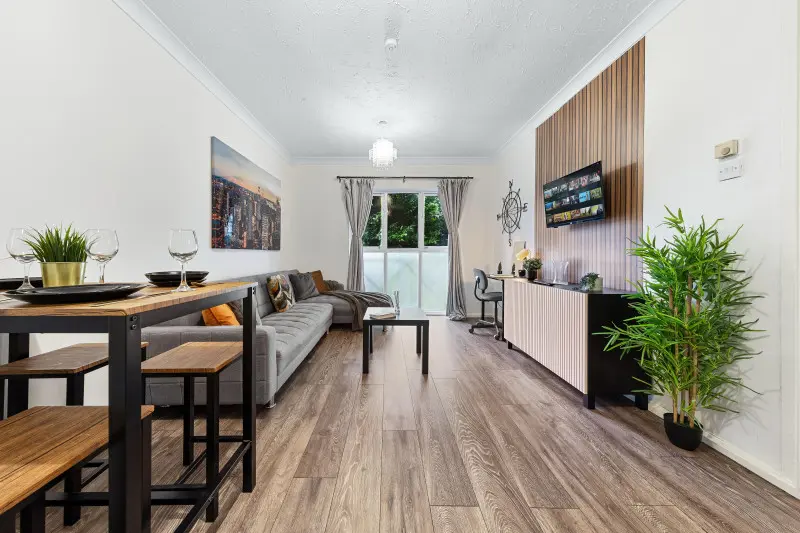
- Design with your target guest in mind—families require kid-friendly amenities, while business travelers appreciate fast Wi-Fi and workspace.
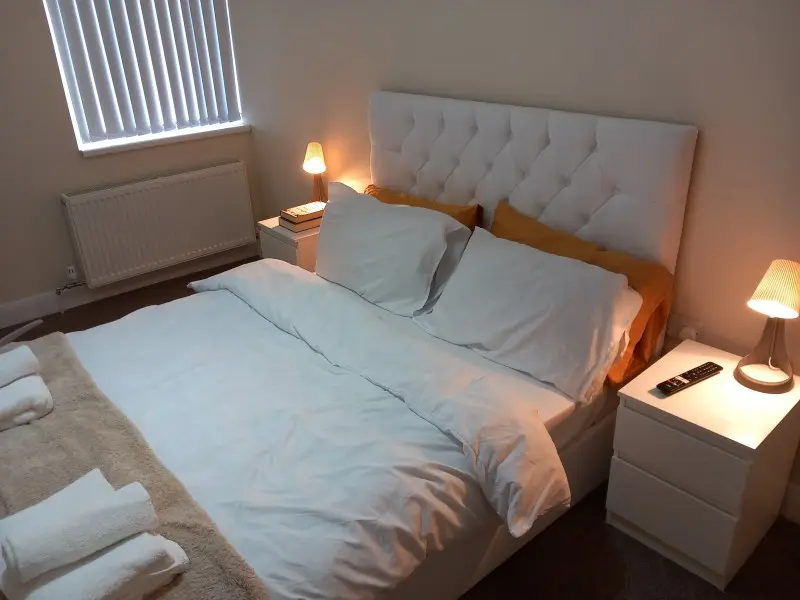
- Use professional photographers to showcase Unit 219’s features; according to Airbnb, listings with professional photos earn up to 40% more than those without.
2. Optimize Your Listing for Search and Conversion
- Craft a compelling title and description using keywords (“private downtown 2BR with balcony – Unit 219”) to improve ranking across all platforms.
- Highlight unique features: proximity to events, on-site gym, free parking, etc.
3. Set Smart Pricing to Balance Occupancy and Income
- Use dynamic pricing software to automatically adjust nightly rates based on demand, local events, and competition.
- Analyze occupancy targets: for example, a target of 70–80% annually allows for both premium pricing on peak dates and solid income year-round.
4. Leverage Multiple Platforms and Reduce Booking Fees
- List Unit 219 on major platforms like Airbnb, VRBO, and innovative sites such as JmartBookings, which is a global rental marketplace that lets hosts keep more of their earnings—thanks to zero listing fees for the first half year and just a 5% guest commission.
- Sync your calendar using channel management tools to streamline operations and avoid double-bookings.
5. Deliver a 5-Star Guest Experience
- Automate check-in/check-out procedures and provide a comprehensive welcome guide.
- Respond swiftly to guest inquiries—properties with <1-hour response times often see higher occupancy rates and premium pricing power.
- Collect and respond to reviews to improve your property’s reputation and search visibility.
6. Monitor and Optimize Key Metrics
- Track occupancy rate, nightly rate, cleaning fees, and average guest acquisition cost per booking.
- Example: If Unit 219’s cleaning fee is $60 per stay and your average booking is 4 nights, the extra $15/night on top of your base rate needs to be factored into your price competitiveness.
- Use revenue management dashboards to evaluate monthly and annual ROI; successful hosts frequently adjust their strategies based on performance data.
Legal and Regulatory Considerations for Unit 219
Understanding local regulations is vital. Here’s how to ensure compliance for Unit 219:
- Check Zoning and Licensing: Some cities require short-term rental permits or restrict STRs in certain zones. Always verify your building’s HOA or condo rules.
- Collect and Remit Taxes: Many jurisdictions require hosts to collect occupancy or transient lodging taxes. Confirm whether these are handled by the platform or are your responsibility.
- Insurance Requirements: Standard homeowner’s insurance rarely covers short-term rental activity. Secure a dedicated STR insurance policy with liability protection.
- Platform-Specific Policies: Each marketplace (Airbnb, VRBO, JmartBookings, etc.) may have their own host requirements—such as ID verification, safety equipment (smoke/CO detectors), and guest screening protocols—so stay updated on each platform’s rules.
Conclusion: Harness the Full Value of Unit 219
Unlocking the potential of Unit 219 in today’s short-term rental marketplace involves more than simply listing the property. Strategic pricing, operational excellence, guest-centric service, and legal compliance are all non-negotiable elements for maximizing ROI and creating a sustainable business. Platforms like JmartBookings make it easier for hosts to list properties such as Unit 219 and start earning, keeping a larger share of their earnings compared to traditional platforms—plus, it’s simple and intuitive for both new and experienced hosts.
As you optimize your unit for today’s demanding market, start by enhancing your listing, automating key processes, and choosing the right mix of platforms to reach a global audience. With thorough planning and ongoing optimization, Unit 219 can become a reliable, high-performing asset in your short-term rental portfolio.


Join the Discussion
No comments yet. Be the first to share your thoughts!