

White Lake Cabins: The Ultimate Guide for Profitable Short-Term Rental Success
What Are White Lake Cabins?
White Lake cabins refer to the vacation rental properties located near White Lake, which is celebrated for its pristine waters, tranquil scenery, and year-round outdoor activities. These cabins are in high demand among travelers seeking a unique lakeside experience, whether it’s a cozy winter retreat or a lively summer getaway.
Investors, hosts, and short-term rental operators can tap into this market by listing quality cabins targeted at vacationers, families, digital nomads, and adventure seekers. Platforms ranging from Airbnb to purpose-built marketplaces like JmartBookings provide the digital infrastructure for maximizing the exposure and booking potential of White Lake cabins.
How the White Lake Cabin Rental Market Works
Listing and Distribution
The process begins with property owners or managers preparing cabins to appeal to travelers, covering everything from interior upgrades to professional photography. These listings are distributed across major short-term rental platforms, including:
- Airbnb
- Vrbo
- JmartBookings
- Booking.com
- Tripadvisor Rentals
Effective channel management—often enabled by short-term rental software—ensures availability and rates are synced across platforms, preventing double bookings and optimizing reach.
Dynamic Pricing and Occupancy Optimization
Dynamic pricing tools adjust nightly rates in real time based on market demand, seasonality, competitor rates, and event calendars. For White Lake cabins, peak summer weekends, local festivals, or fishing tournaments can warrant rates 30%-50% higher than off-season weekdays. A cabin fetching $250 per night in July might drop to $120 in January, but occupancy rates can be kept robust with creative offerings for winter guests.
Owners often set cleaning fees to offset rapid turnovers, with charges between $80 and $150 per stay depending on property size and local labor costs.
Guest Acquisition and Screening
Securing the right guests is crucial. Savvy hosts use multiple guest acquisition channels, blending organic search, paid ads on social media, niche listing sites, and repeat business from platform reviews. Enhanced guest screening features—such as ID verification and automated guest messaging—decrease risk and contribute to consistent 5-star ratings.
Key Benefits of Investing in White Lake Cabins
Strong Year-Round Demand
White Lake’s reputation as a four-season destination fuels steady occupancy. Summer months average 85-95% occupancy, while fall foliage and winter recreation can buoy rates to 60-70% occupancy in slower periods. The versatility of cabins, ranging from rustic shelters to luxury waterfront lodges, widens the target market.
Attractive Revenue and ROI Potential
Well-managed White Lake cabins can generate gross annual rental incomes of $35,000–$80,000 per cabin, depending on size, amenities, and seasonality. Smart owners optimize ROI by:
- Using channel management tools for maximum exposure
- Deploying dynamic pricing strategies to capture peak demand
- Minimizing guest acquisition costs by leveraging platforms like JmartBookings, which offers zero listing fees for your first six months and a guest commission of only 5%
Flexible Use and Asset Appreciation
Cabins aren’t just investments—they’re personal getaways. Owners can block out dates for personal use and still monetize the property during peak periods. Additionally, White Lake’s popularity has helped property values appreciate 3-6% annually over the past decade, according to regional real estate data.
Platform Fee Savings
Compared to hefty service fees on major global rental platforms—which can deduct up to 18% of gross booking revenues—listing on client-centric marketplaces like JmartBookings ensures hosts keep more of their earnings. On JmartBookings, hosts pay zero listing fees for their first six months, and guests pay just a small 5% commission, making it an attractive option for maximizing net income and test-driving a new audience.
Common Challenges and Risks Facing White Lake Cabin Hosts
Seasonality Risks
Revenue volatility is real, especially in regions impacted by harsh winters or unpredictable weather. Even the best lakefront cabins can see occupancy dip below 40% in certain months if not proactively marketed for off-season activities (ice fishing, local experiences, wellness retreats).
Cleaning, Turnover, and Maintenance Logistics
Cabins need frequent, high-quality cleaning to meet guest expectations. Limited access to professional cleaners near White Lake drives up turnover costs, with rural cleaning services often charging premium rates.
Unexpected repairs (e.g., HVAC, roof, plumbing) can also disrupt bookings and erode profits. A small roof leak or septic issue can cost $1,000+ to fix and cause several days of vacancy.
Guest Screening and Property Damage
Vetting guests is essential to avoid costly damages or neighborhood complaints. Platforms with robust screening tools and insurance protections can reduce—but never eliminate—these risks. Security deposits, clear house rules, and smart locks provide additional layers of defense.
Platform Dependence and Channel Conflict
Over-reliance on a single booking channel, like Airbnb, can expose hosts to algorithm changes, delisting, or sudden changes in policies and fee structures. Channel management software is critical for maintaining control and visibility across multiple sites.
Strategies and Best Practices for White Lake Cabin Success
1. Invest in Amenities That Drive Bookings
- Add hot tubs, fire pits, or paddleboards to attract guests and justify premium pricing.
- Focus on fast Wi-Fi and a well-equipped kitchen to appeal to remote workers and families.
- Offer pet-friendly stays—properties that allow pets see 10-15% higher occupancy.
2. Optimize Your Listing With High-Impact Photos and Descriptions
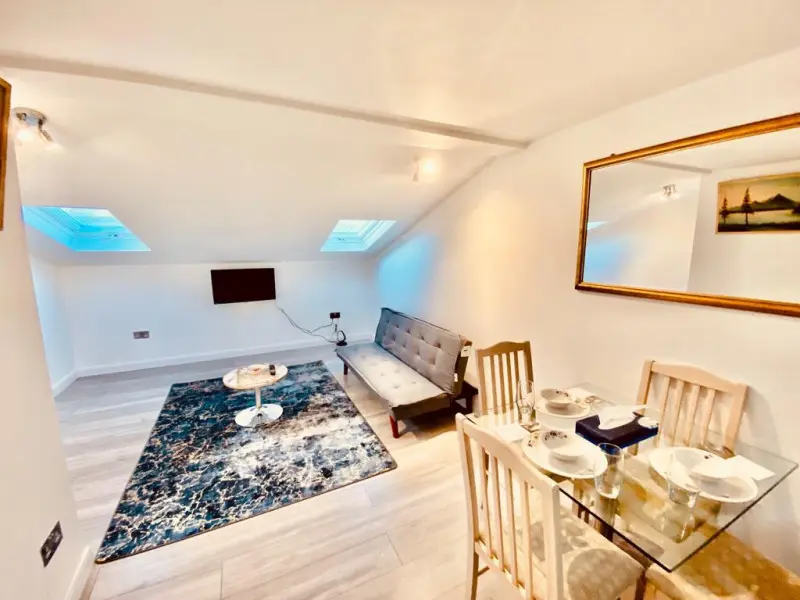
- Use professional photography and drone shots of the lakefront.
- Highlight unique features in your listing: private docks, lake views, proximity to hiking trails.
- Include calendar highlights for local events to increase off-season bookings.
3. Master Dynamic Pricing
- Analyze local competition to set baseline rates.
- Leverage dynamic pricing tools that integrate with multiple booking channels.
- Raise rates ahead of anticipated high demand (holidays, local festivals, holiday weekends).
- Reduce minimum stay requirements in the off-season to improve occupancy.
4. Use Channel Management Software
- Automatically sync pricing, availability, and bookings across all platforms.
- Prevent double bookings and keep response times under two hours—a key metric for algorithm boosting and guest reviews.
5. Choose the Right Listing Platforms
While Airbnb and Vrbo dominate search volume, listing on higher-value marketplaces like JmartBookings attracts guests looking for unique stays, allows hosts to keep more earnings, and provides a lower-commission alternative. Cabin owners report higher ROI when diversifying channels and avoiding platform over-reliance.
6. Automate Guest Communication and Screening
- Use automated messaging to provide check-in instructions and upsell experiences (tours, gear rentals).
- Require government ID verification and pre-booking questionnaires to filter out high-risk guests.
Mini-Case Study: Doubling ROI at White Lake
A cabin owner increased net annual income from $38,000 to $68,000 in a single year by:
- Listing on three platforms (including JmartBookings) to reach new guest demographics
- Implementing a smart pricing algorithm for peak weekends
- Upgrading amenities (adding a washer-dryer and lakefront fire pit)
- Offering late checkouts and bundled cleaning for longer stays
Legal and Regulatory Considerations for White Lake Cabins
Short-Term Rental Ordinances
Many municipalities around White Lake have enacted short-term rental (STR) regulations, including permit requirements, maximum occupancy limits, and noise restrictions. Hosts must:
- Obtain necessary licenses or STR permits from local authorities
- Verify zoning compliance for vacation rental operations
- Collect and remit local occupancy and sales taxes as mandated
- Post emergency procedures and comply with accessibility requirements
Insurance & Liability
Traditional homeowner’s insurance often excludes STR activity. Specialized short-term rental insurance provides protection against property damage, liability claims, and loss of income due to cancellations or emergencies.
Conclusion: Maximize Your Earnings With White Lake Cabins
White Lake cabins present a lucrative, dynamic opportunity for real estate investors and aspiring hosts. By understanding local demand drivers, leveraging multi-channel distribution with robust STR software, and implementing pricing and amenity strategies, you can maximize both occupancy and returns. Fee-transparent platforms like JmartBookings make it even simpler to list your property, keep more of your hard-earned income, and reach global travelers seeking memorable stays—so your White Lake cabin can generate five-star reviews and real profits, season after season.




Join the Discussion
No comments yet. Be the first to share your thoughts!