
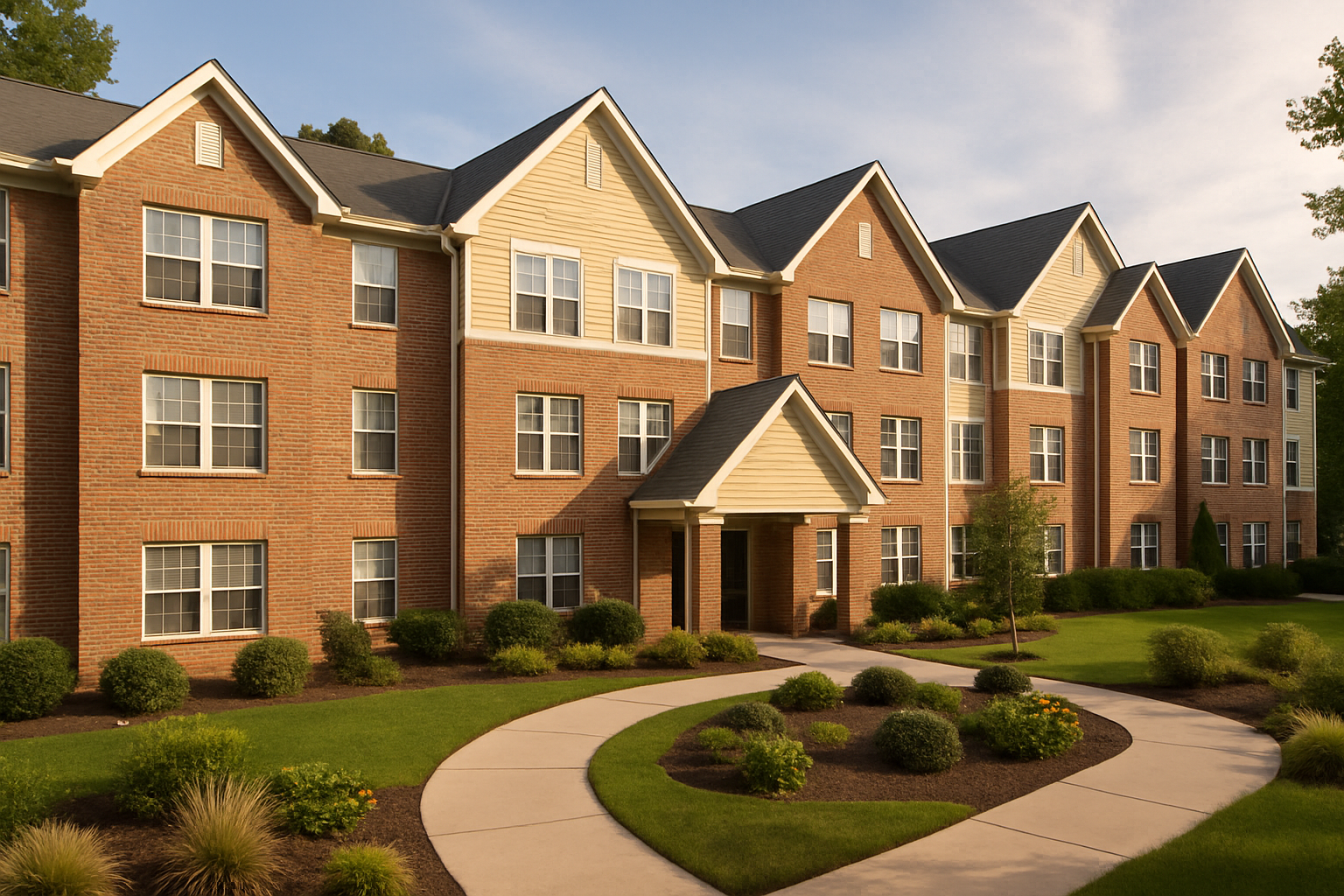
Is There a Brand-Wide Minimum Age at Residence Inn?
No. Marriott, the parent company behind Residence Inn, does not publish a single corporate-wide minimum check-in age. Instead, Marriott's policy language leaves the minimum check-in age to each individual property, in compliance with local law. That means Residence Inn — as part of the Marriott family — follows this same per-property model rather than a strict, uniform age rule across every location.
This isn't unusual. It's the common pattern across the hotel industry generally, confirmed by general hotel-industry legal explainers and echoed across consumer forums discussing Marriott and Residence Inn specifically. If you see a specific age quoted for one Residence Inn property, don't assume it applies to every Residence Inn — it doesn't.
Real Examples: 18+ vs. 21+ Properties
Because the policy is set property-by-property, actual named examples show meaningful variation:
- 18+ allowed: Residence Inn Phoenix Desert View at Mayo Clinic, and Residence Inn Scottsdale Salt River — both suburban-type properties, per each property's own Marriott.com listing.
- 21+ required: Residence Inn Austin Downtown/Convention Center, and Residence Inn New York Manhattan/Midtown East — both urban/flagship-type properties.
This lines up with a broader pattern described across multiple hotel-check-in-age consumer guides: urban, downtown, and convention-center locations tend to skew toward a 21+ minimum, while suburban and airport-area locations more often accept 18-year-old guests. That said, treat these named examples as a snapshot, not a guarantee — property policies change, and the only way to be sure is to call the specific hotel and reconfirm before you book or drive over.
| Property Type | Example Property | Typical Minimum Age |
|---|---|---|
| Suburban | Residence Inn Phoenix Desert View at Mayo Clinic | 18+ |
| Suburban | Residence Inn Scottsdale Salt River | 18+ |
| Urban/Downtown | Residence Inn Austin Downtown/Convention Center | 21+ |
| Urban/Flagship | Residence Inn New York Manhattan/Midtown East | 21+ |
The Active-Duty Military Exception (and Why You Can't Fully Rely on It)
A pattern reported across multiple sources: active-duty military members 18 and older can often be exempted from a property's standard 21+ minimum when they present a valid military ID or CAC card. But this is described as a common practice at property discretion — not a guaranteed, uniformly-enforced written policy — and online booking systems don't reliably reflect it either way.
How unreliable can it be? A real reported incident (Fox News: "Soldier denied hotel room because he's not yet 21") documented a soldier being turned away despite being under 21 and on active duty — proof that even where the exception nominally exists, it isn't universally honored at the front desk.
If this applies to you: call the specific Residence Inn in advance and ask about the military exception directly rather than assuming your reservation alone will get you checked in.
What About Deposits and Incidental Holds?
There's no single documented brand-wide deposit figure for Residence Inn, but real guest and forum reports show a wide range:
- $20/day hold reported for card payments at one Residence Inn.
- $250 deposit reported for cash payments at a Residence Inn.
- $300 flat deposit reported regardless of payment method, documented in a FlyerTalk Forums thread titled "$300 Deposit Demanded By Residence Inn."
- General Marriott-brand-wide guidance (not Residence Inn–specific) puts typical incidental holds around $50–$100 per day on top of the room cost.
Bottom line: Marriott doesn't publish one official number for Residence Inn. Treat this as a documented range from real guest and forum reports — anywhere from about $20/day to a $300 flat hold — not a fixed, official figure. Ask the front desk what to expect for your specific property and payment method before you arrive.
How to Book at 18 Without Getting Turned Away
Since Residence Inn's minimum age is set per property rather than by Marriott corporate, your best move before booking anywhere at 18 is to call the specific hotel directly and ask two things: their minimum check-in age, and what deposit or incidental hold to expect. Suburban and airport-area properties are more likely to accept 18-year-olds than urban or downtown flagship locations, but that's a pattern, not a rule you can bank on for any single property.
If you're weighing other chains too, check our breakdowns on whether Hilton or Hampton Inn allow 18-year-old check-in, or browse our state-by-state hotel check-in age rules for the legal side of things.






Join the Discussion
No comments yet. Be the first to share your thoughts!